Plug Valve: Principles, Types, Advantages and Applications
14 Aug, 2026
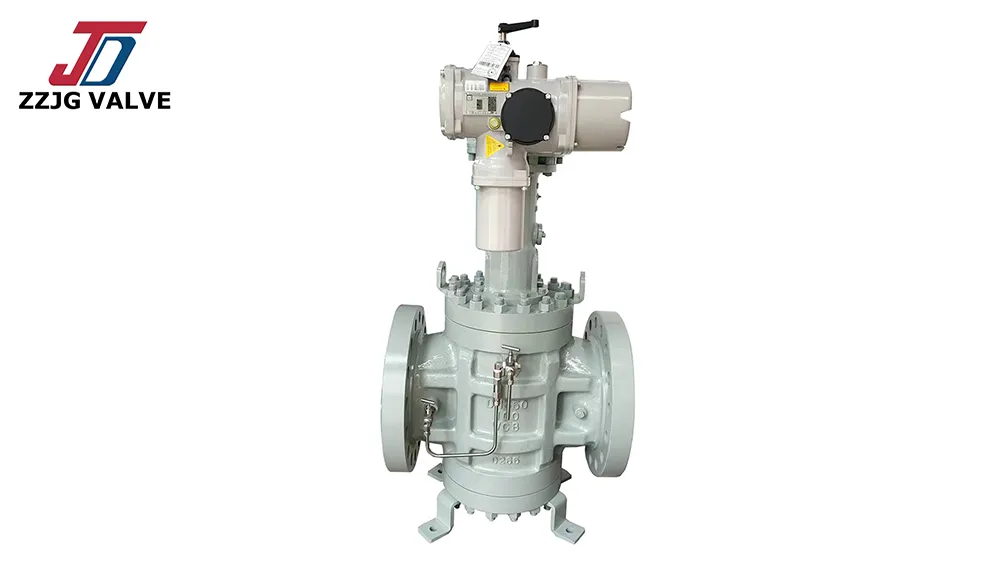
The plug valve is a widely used valve for industrial pipelines. It is primarily used to open and close pipelines and control fluid flow inside pipes. The valve is fitted with a rotatable cylindrical or tapered plug. A through hole runs through the plug, which controls the passage of liquids, gases and slurries. The plug valve boasts a compact structure, low fluid resistance, stable sealing performance and simple routine maintenance. It is extensively adopted across various industrial production lines including petroleum, chemical engineering and natural gas sectors.
Daily maintenance is straightforward. Operators need to check the valve’s flexibility and sealing condition regularly. Sealing grease should be topped up periodically for lubricated plug valves, and worn sealing sleeves on non-lubricated models need timely replacement. Regular cleaning of internal impurities prevents valve breakdowns.
1. Working Principle
A 90-degree rotation of the plug opens or closes the valve. When the through hole on the plug aligns with the pipeline channel, the valve opens fully. Fluid flows smoothly through the pipeline with little pressure drop. Rotating the plug another 90 degrees blocks the pipeline entirely with the solid section of the plug. The valve shuts off fluid tightly and achieves reliable sealing. This valve supports fast switching and bidirectional fluid flow. Pipelines can be laid flexibly, and violent fluid impact will not occur during operation.2. Main Structure
The plug valve consists of sturdy, durable core components divided into five key parts:- Pressure-resistant valve body: withstands internal pipeline pressure
- Flow control plug: governs fluid flow and shutoff
- Valve stem and actuator: drives the plug to rotate
- Auxiliary sealing components: prevent medium leakage effectively
- Bonnet: protects the valve’s internal structures
3. Common Types
-
Lubricated Plug Valve
-
Non-lubricated Plug Valve
-
Multi-port Plug Valve
-
Tapered and Cylindrical Plug Valves
4. Main Advantages
√ Simple, compact and robust structure, low failure rate and extended service life
√ A quarter turn enables rapid opening and closing, allowing immediate fluid cutoff in emergencies
√ Straight-through internal structure generates minimal turbulence and effectively reduces pipeline pressure drop
√ Excellent versatility for clean fluids, viscous liquids, corrosive media and slurries
√ Bidirectional flow capability with zero leakage sealing under most operating conditions
√ Light daily maintenance workload and low long-term operation costs
5. Industrial Applications
Plug valves are applied in a broad range of industrial scenarios. They provide reliable control for petroleum and natural gas transmission pipelines. Sanitary non-lubricated plug valves satisfy safety standards for food and pharmaceutical production. Corrosion-resistant versions safely convey various chemical reagents. Industries including water treatment, environmental protection, power generation and metallurgy also employ plug valves to regulate sewage, steam and industrial gas in pipelines.6. Selection and Maintenance Guidelines
Users may select suitable plug valves according to actual working conditions. Lubricated plug valves are recommended for high-pressure, heavy-duty service. Non-lubricated plug valves are ideal for sanitary and clean production environments. Multi-port plug valves are chosen for pipeline systems requiring frequent flow direction switching.Daily maintenance is straightforward. Operators need to check the valve’s flexibility and sealing condition regularly. Sealing grease should be topped up periodically for lubricated plug valves, and worn sealing sleeves on non-lubricated models need timely replacement. Regular cleaning of internal impurities prevents valve breakdowns.
Previous: Introduction to the Sleeve Plug Valve
Next: ZZJG VALVE Launches New Full Bore Sleeve Plug Valve for Industrial Pipelines
Recent News
- ZZJG VALVE Launches New Full Bore Sleeve Plug Valve for Industrial Pipelines
- Plug Valve: Principles, Types, Advantages and Applications
- Introduction to the Sleeve Plug Valve
- Plug Valve Composite Self-Sealing Structure: Principle and Engineering Value
- Eccentric Plug Valve in Industrial Water System
- Lubricated Sealing: The Core Advantage and Adaptability to Working Conditions of Ball Valves and Butterfly Valves