Introduction to the Sleeve Plug Valve
09 Aug, 2026
I. Basic Overview
The sleeve plug valve is a commonly used valve in industrial pipelines. This valve is equipped with a replaceable elastic sealing sleeve. The sealing sleeve can wrap around the conical valve core. The valve completes the sealing operation through this structure. By rotating the valve core by 90 degrees, the valve can be controlled to open or close. This valve belongs to a quarter-turn valve. Its operation steps are simple and the sealing effect is stable. It can be normally used in various industrial fluid pipelines such as petroleum, chemical, natural gas, and water treatment.
II. Core Structure and Working Principle
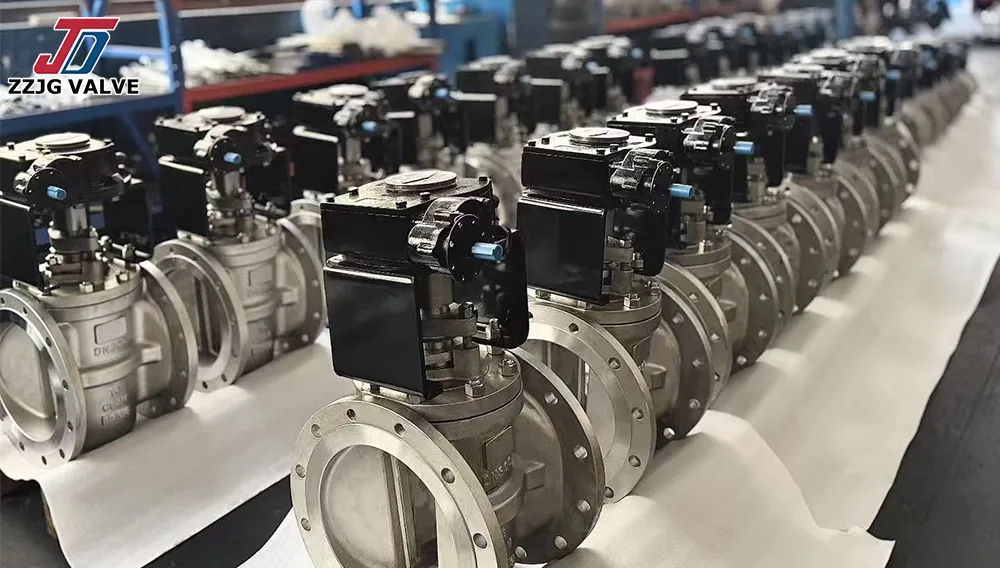
The main components of this valve include the valve body, conical valve core, elastic sealing sleeve, valve stem, sealing packing, and drive device. The drive device is divided into three types: manual, electric, and pneumatic. The elastic sealing sleeve is the core sealing part of the valve. The sealing sleeve is installed between the valve body and the valve core and can closely fit with the valve core.
Rotating the valve stem will drive the internal valve core to rotate 90 degrees. When the through-hole of the valve core aligns with the pipeline channel, the valve will open, allowing the fluid in the pipeline to flow smoothly. When the solid part of the valve core blocks the pipeline channel, the valve will be completely closed, and the fluid will not be able to flow. The elastic sealing sleeve will always be in contact with the valve core, effectively preventing fluid leakage. The sealing sleeve can undergo slight elastic deformation. It can fill the gaps caused by equipment wear and temperature changes, ensuring the sealing effect of the valve for long-term use.
III. Main Advantages
1. Good sealing effect, long service life
The elastic sealing sleeve can achieve a tight seal in working environments ranging from low pressure to medium pressure. The sealing sleeve is an independent component. Damaged sealing sleeves can be replaced separately without having to replace the entire valve. This design can effectively reduce the maintenance cost of the equipment.
2. Light operation, smooth opening and closing
The sealing sleeve can reduce the friction resistance during the rotation of the valve core. Traditional plug valves rely on metal contact to achieve sealing and opening. The opening and closing resistance of the sleeve plug valve is smaller than that of traditional plug valves. When users use large-diameter sleeve plug valves, the force required to open and close the valve is also small, and the operation is very easy.
3. Suitable for a wide range of media, with strong versatility
This valve can transport water, oil products, natural gas, and light chemical liquids. Custom sealing sleeves made of different materials can be used to adapt the valve to weak acid and weak alkali fluids, covering more industrial usage scenarios.
4. Simple structure, less likely to malfunction
The valve adopts a straight-through flow channel design. The pressure loss of the fluid passing through the valve is lower, and impurities are less likely to accumulate in the pipeline. The number of internal parts of the valve is small. The equipment operation state is stable, and there are basically no problems such as blockage or jamming.
5. Flexible driving method, high adaptability
Users can pair the valve with handwheels, gears, electric or pneumatic drive devices. The valve can be operated manually on site or connected to an automation system for remote intelligent control.
IV. Differences from traditional plug valves
Traditional plug valves rely on the direct contact of the valve core and valve body's metal to achieve sealing. This sealing method has a fast wear rate and requires a lot of force for valve opening and closing. The sleeve plug valve is equipped with an independent elastic sealing sleeve. The sealing sleeve can undertake the friction and sealing work of the equipment. The metal valve body and valve core of the valve do not directly contact and wear. The equipment's wear resistance is better, and the sealing performance is more stable.
V. Main Application Scenarios
This valve can be used in oil and gas transportation pipelines, as well as urban gas transportation and pressure regulating pipelines. It can be installed in the medium isolation system of refineries and chemical plants, suitable for light oil products and non-corrosive fluids. It can be used in municipal water supply, drainage, and HVAC circulating water pipelines. It can also meet the usage requirements of various conventional process pipelines in power plants and metallurgical industries.
VI. Material Selection and Operating Conditions
The commonly used materials for the valve body are carbon steel, 304 stainless steel, and 316 stainless steel. These materials have high cost performance and are suitable for a wide range of scenarios. The commonly used materials for the sealing sleeve are polytetrafluoroethylene, reinforced polytetrafluoroethylene, rubber, and other soft sealing materials. This valve is suitable for normal temperature and medium-pressure working environments. It is not suitable for extremely high temperatures and strong corrosive working scenarios, nor can it transport fluid containing a large amount of solid particles.
The sleeve plug valve is a commonly used valve in industrial pipelines. This valve is equipped with a replaceable elastic sealing sleeve. The sealing sleeve can wrap around the conical valve core. The valve completes the sealing operation through this structure. By rotating the valve core by 90 degrees, the valve can be controlled to open or close. This valve belongs to a quarter-turn valve. Its operation steps are simple and the sealing effect is stable. It can be normally used in various industrial fluid pipelines such as petroleum, chemical, natural gas, and water treatment.
II. Core Structure and Working Principle
The main components of this valve include the valve body, conical valve core, elastic sealing sleeve, valve stem, sealing packing, and drive device. The drive device is divided into three types: manual, electric, and pneumatic. The elastic sealing sleeve is the core sealing part of the valve. The sealing sleeve is installed between the valve body and the valve core and can closely fit with the valve core.
Rotating the valve stem will drive the internal valve core to rotate 90 degrees. When the through-hole of the valve core aligns with the pipeline channel, the valve will open, allowing the fluid in the pipeline to flow smoothly. When the solid part of the valve core blocks the pipeline channel, the valve will be completely closed, and the fluid will not be able to flow. The elastic sealing sleeve will always be in contact with the valve core, effectively preventing fluid leakage. The sealing sleeve can undergo slight elastic deformation. It can fill the gaps caused by equipment wear and temperature changes, ensuring the sealing effect of the valve for long-term use.
III. Main Advantages
1. Good sealing effect, long service life
The elastic sealing sleeve can achieve a tight seal in working environments ranging from low pressure to medium pressure. The sealing sleeve is an independent component. Damaged sealing sleeves can be replaced separately without having to replace the entire valve. This design can effectively reduce the maintenance cost of the equipment.
2. Light operation, smooth opening and closing
The sealing sleeve can reduce the friction resistance during the rotation of the valve core. Traditional plug valves rely on metal contact to achieve sealing and opening. The opening and closing resistance of the sleeve plug valve is smaller than that of traditional plug valves. When users use large-diameter sleeve plug valves, the force required to open and close the valve is also small, and the operation is very easy.
3. Suitable for a wide range of media, with strong versatility
This valve can transport water, oil products, natural gas, and light chemical liquids. Custom sealing sleeves made of different materials can be used to adapt the valve to weak acid and weak alkali fluids, covering more industrial usage scenarios.
4. Simple structure, less likely to malfunction
The valve adopts a straight-through flow channel design. The pressure loss of the fluid passing through the valve is lower, and impurities are less likely to accumulate in the pipeline. The number of internal parts of the valve is small. The equipment operation state is stable, and there are basically no problems such as blockage or jamming.
5. Flexible driving method, high adaptability
Users can pair the valve with handwheels, gears, electric or pneumatic drive devices. The valve can be operated manually on site or connected to an automation system for remote intelligent control.
IV. Differences from traditional plug valves
Traditional plug valves rely on the direct contact of the valve core and valve body's metal to achieve sealing. This sealing method has a fast wear rate and requires a lot of force for valve opening and closing. The sleeve plug valve is equipped with an independent elastic sealing sleeve. The sealing sleeve can undertake the friction and sealing work of the equipment. The metal valve body and valve core of the valve do not directly contact and wear. The equipment's wear resistance is better, and the sealing performance is more stable.
V. Main Application Scenarios
This valve can be used in oil and gas transportation pipelines, as well as urban gas transportation and pressure regulating pipelines. It can be installed in the medium isolation system of refineries and chemical plants, suitable for light oil products and non-corrosive fluids. It can be used in municipal water supply, drainage, and HVAC circulating water pipelines. It can also meet the usage requirements of various conventional process pipelines in power plants and metallurgical industries.
VI. Material Selection and Operating Conditions
The commonly used materials for the valve body are carbon steel, 304 stainless steel, and 316 stainless steel. These materials have high cost performance and are suitable for a wide range of scenarios. The commonly used materials for the sealing sleeve are polytetrafluoroethylene, reinforced polytetrafluoroethylene, rubber, and other soft sealing materials. This valve is suitable for normal temperature and medium-pressure working environments. It is not suitable for extremely high temperatures and strong corrosive working scenarios, nor can it transport fluid containing a large amount of solid particles.
Previous: Plug Valve Composite Self-Sealing Structure: Principle and Engineering Value
Next: Plug Valve: Principles, Types, Advantages and Applications
Recent News
- ZZJG VALVE Launches New Full Bore Sleeve Plug Valve for Industrial Pipelines
- Plug Valve: Principles, Types, Advantages and Applications
- Introduction to the Sleeve Plug Valve
- Plug Valve Composite Self-Sealing Structure: Principle and Engineering Value
- Eccentric Plug Valve in Industrial Water System
- Lubricated Sealing: The Core Advantage and Adaptability to Working Conditions of Ball Valves and Butterfly Valves