Plug Valve Composite Self-Sealing Structure: Principle and Engineering Value
06 Aug, 2026
Plug Valves have many practical advantages. They have fast switching speed, low fluid resistance, and do not restrict the flow direction of the medium. These advantages make Plug Valves widely used in important industrial scenarios such as petrochemicals, natural gas transportation, and coal chemical industries.
Most ordinary technical materials only briefly introduce the overall structure and basic advantages of Plug Valves. Most materials do not mention a key core structure. This structure directly affects the service life, sealing effect, and scene adaptability of the plug valve. This structure is the composite self-pressurized sealing structure.
Traditional sealing structures are mainly divided into single-plane sealing and ordinary packing sealing. These two structures are passive sealing structures. The composite self-pressurized sealing structure and traditional sealing structures are very different. This structure solves the common faults of traditional Plug Valves through three core designs. Common faults include poor sealing under low-pressure conditions, wear of parts under high-pressure conditions, and single application scenarios. The three core designs of this structure are the double-conical gradient structure, the soft-hard combined sealing layer, and the medium pressure self-compensation structure. This technology is also the core mainstream technology of high-end industrial Plug Valves at present.
1. Inherent Defects of Traditional Sealing Structures
Early industrial valves mainly included two types. The first type was the fixed non-packing seal valve, and the second type was the ordinary packing seal valve. The sealing structures of these two valves both had performance problems that could not be solved.
The fixed non-packing seal valve achieved sealing by the conical surface of the valve body and valve seat being ground together. This valve had no elastic compensation structure. It could only be used in low-pressure, small-diameter industrial sampling pipelines. After long-term use, the conical surface would slightly wear. The worn conical surface would cause slight leakage of the medium. The switching resistance of the valve would also gradually increase with the degree of wear.
The ordinary packing seal isolation valve achieved sealing by the flexible packing in the packing box being pressed. This valve had a simple structure, but its disadvantages were very prominent.
The packing would be in contact with the flowing medium and would continuously withstand temperature changes. After long-term use, the packing would age and harden. The sealing performance of the valve would therefore quickly deteriorate.
The staff would manually set the compression force of the packing, which was fixed and could not be adjusted according to the pressure of the pipeline. When the pipeline pressure was low, the packing compression force was insufficient, causing the valve seal to loosen and leak. When the pipeline pressure was high, the packing would be over-pressed, resulting in damage and failure. At the same time, a large friction resistance would be generated between the packing and the valve core, and the wear speed of the valve core would significantly increase.
The sealing method of traditional valves was passive. This type of sealing structure had no automatic adjustment capability. It could not adapt to high-pressure, pressure fluctuating working scenarios, nor meet the usage standards for flammable and explosive media.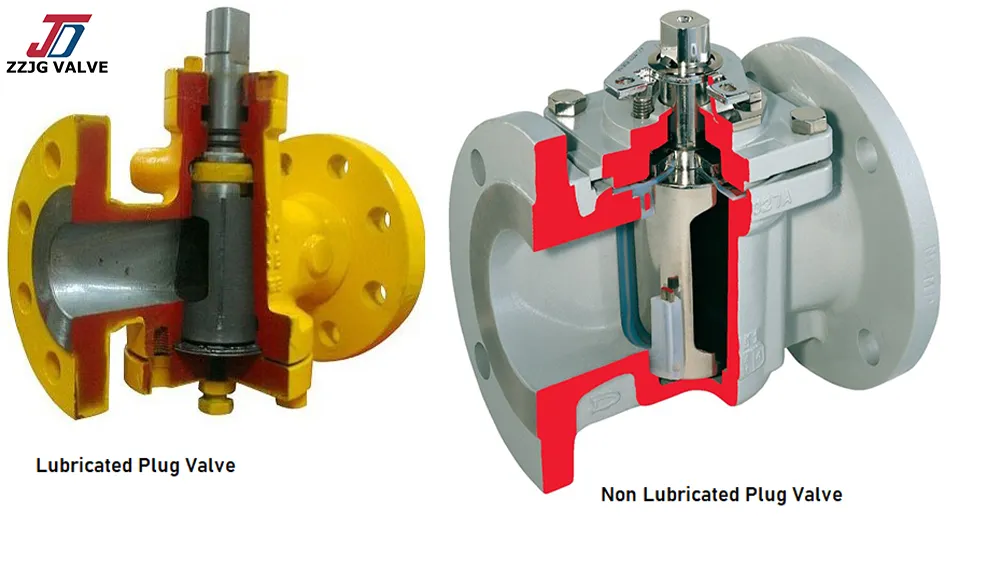
2. Structure & Working Principle of Composite Self-Pressurized Sealing Structure
The staff upgraded and developed the composite self-pressurized sealing structure to address various problems of traditional sealing structures. This structure is mainly composed of three parts, namely the double-gradient conical surface metal hard sealing base, the elastic flexible soft sealing layer, and the pressure conduction compensation channel.
This structure eliminates the traditional fixed compression sealing method. It can utilize the medium's own pressure to automatically adjust the sealing contact force, achieving dynamic sealing compensation. It can achieve dual protective effects. Under low-pressure pipeline operation, the soft sealing structure is responsible for sealing; under high-pressure pipeline operation, the hard sealing structure is responsible for reinforcing and locking.
The double-conical gradient structure is the overall core structure. It has been precisely optimized through mechanical design. The main sealing surface of the structure has a 60-degree cone angle, and the secondary sealing surface has a 75-degree cone angle. The two different cone angles can form a gradually increasing sealing pressure gradient. After the valve is fully closed, the medium pressure inside the pipeline will first act on the secondary sealing surface with a greater slope. The secondary sealing surface will undergo a slight elastic deformation and evenly transfer the medium pressure to the 60-degree main sealing surface.
This design enables the sealing surface's adhesion pressure to increase synchronously with the medium pressure, achieving a self-enhancing sealing effect.
Finite element mechanical test data can visually demonstrate the performance advantages of this structure. In the commonly used industrial pressure environment of 3.0 MPa, the sealing surface adhesion pressure of this structure can reach 85 MPa. Its sealing stability is 2.3 times that of the traditional flat sealing structure, completely solving the problem of valve seal loosening and leakage in low-pressure environments.
The combination of soft and hard sealing layers is the key for the valve to achieve zero leakage. The main body of the sealing structure is a metal hard sealing layer, which is made through high-precision grinding and processing. Its manufacturing materials are hard alloys or quenched stainless steel. This metal material is resistant to high temperatures, erosion, and wear. It can withstand the impact of high-pressure media and resist the friction of impurities in the medium. It can maintain the structure stability for a long time.
The staff will embed PTFE and other flexible sealing materials in the gaps of the metal sealing surface to form an auxiliary soft sealing layer. When the pipeline is in a low-pressure operation state, the flexible sealing layer can completely fill all the tiny gaps on the sealing surface, completely eliminating the problem of medium leakage.
Most ordinary technical materials only briefly introduce the overall structure and basic advantages of Plug Valves. Most materials do not mention a key core structure. This structure directly affects the service life, sealing effect, and scene adaptability of the plug valve. This structure is the composite self-pressurized sealing structure.
Traditional sealing structures are mainly divided into single-plane sealing and ordinary packing sealing. These two structures are passive sealing structures. The composite self-pressurized sealing structure and traditional sealing structures are very different. This structure solves the common faults of traditional Plug Valves through three core designs. Common faults include poor sealing under low-pressure conditions, wear of parts under high-pressure conditions, and single application scenarios. The three core designs of this structure are the double-conical gradient structure, the soft-hard combined sealing layer, and the medium pressure self-compensation structure. This technology is also the core mainstream technology of high-end industrial Plug Valves at present.
1. Inherent Defects of Traditional Sealing Structures
Early industrial valves mainly included two types. The first type was the fixed non-packing seal valve, and the second type was the ordinary packing seal valve. The sealing structures of these two valves both had performance problems that could not be solved.
The fixed non-packing seal valve achieved sealing by the conical surface of the valve body and valve seat being ground together. This valve had no elastic compensation structure. It could only be used in low-pressure, small-diameter industrial sampling pipelines. After long-term use, the conical surface would slightly wear. The worn conical surface would cause slight leakage of the medium. The switching resistance of the valve would also gradually increase with the degree of wear.
The ordinary packing seal isolation valve achieved sealing by the flexible packing in the packing box being pressed. This valve had a simple structure, but its disadvantages were very prominent.
The packing would be in contact with the flowing medium and would continuously withstand temperature changes. After long-term use, the packing would age and harden. The sealing performance of the valve would therefore quickly deteriorate.
The staff would manually set the compression force of the packing, which was fixed and could not be adjusted according to the pressure of the pipeline. When the pipeline pressure was low, the packing compression force was insufficient, causing the valve seal to loosen and leak. When the pipeline pressure was high, the packing would be over-pressed, resulting in damage and failure. At the same time, a large friction resistance would be generated between the packing and the valve core, and the wear speed of the valve core would significantly increase.
The sealing method of traditional valves was passive. This type of sealing structure had no automatic adjustment capability. It could not adapt to high-pressure, pressure fluctuating working scenarios, nor meet the usage standards for flammable and explosive media.
2. Structure & Working Principle of Composite Self-Pressurized Sealing Structure
The staff upgraded and developed the composite self-pressurized sealing structure to address various problems of traditional sealing structures. This structure is mainly composed of three parts, namely the double-gradient conical surface metal hard sealing base, the elastic flexible soft sealing layer, and the pressure conduction compensation channel.
This structure eliminates the traditional fixed compression sealing method. It can utilize the medium's own pressure to automatically adjust the sealing contact force, achieving dynamic sealing compensation. It can achieve dual protective effects. Under low-pressure pipeline operation, the soft sealing structure is responsible for sealing; under high-pressure pipeline operation, the hard sealing structure is responsible for reinforcing and locking.
The double-conical gradient structure is the overall core structure. It has been precisely optimized through mechanical design. The main sealing surface of the structure has a 60-degree cone angle, and the secondary sealing surface has a 75-degree cone angle. The two different cone angles can form a gradually increasing sealing pressure gradient. After the valve is fully closed, the medium pressure inside the pipeline will first act on the secondary sealing surface with a greater slope. The secondary sealing surface will undergo a slight elastic deformation and evenly transfer the medium pressure to the 60-degree main sealing surface.
This design enables the sealing surface's adhesion pressure to increase synchronously with the medium pressure, achieving a self-enhancing sealing effect.
Finite element mechanical test data can visually demonstrate the performance advantages of this structure. In the commonly used industrial pressure environment of 3.0 MPa, the sealing surface adhesion pressure of this structure can reach 85 MPa. Its sealing stability is 2.3 times that of the traditional flat sealing structure, completely solving the problem of valve seal loosening and leakage in low-pressure environments.
The combination of soft and hard sealing layers is the key for the valve to achieve zero leakage. The main body of the sealing structure is a metal hard sealing layer, which is made through high-precision grinding and processing. Its manufacturing materials are hard alloys or quenched stainless steel. This metal material is resistant to high temperatures, erosion, and wear. It can withstand the impact of high-pressure media and resist the friction of impurities in the medium. It can maintain the structure stability for a long time.
The staff will embed PTFE and other flexible sealing materials in the gaps of the metal sealing surface to form an auxiliary soft sealing layer. When the pipeline is in a low-pressure operation state, the flexible sealing layer can completely fill all the tiny gaps on the sealing surface, completely eliminating the problem of medium leakage.
Recent News
- Introduction to the Sleeve Plug Valve
- Plug Valve Composite Self-Sealing Structure: Principle and Engineering Value
- Eccentric Plug Valve in Industrial Water System
- Lubricated Sealing: The Core Advantage and Adaptability to Working Conditions of Ball Valves and Butterfly Valves
- Plug Valve: Reliable Quarter-Turn Control for Industrial Piping Systems
- ZZJG VALVE Ships DN100/DN125 PN10 Top Entry Oil Sealed Plug Valves