Structural Differences and Application Selection of Lubricated and Non-Lubricated Plug Valves
19 May, 2026
Widely used in oil and gas, chemical and municipal water supply fields, plug valves are mainly divided into lubricated and non-lubricated types, with obvious differences in structure, performance, typical categories and applications.
1.Structure
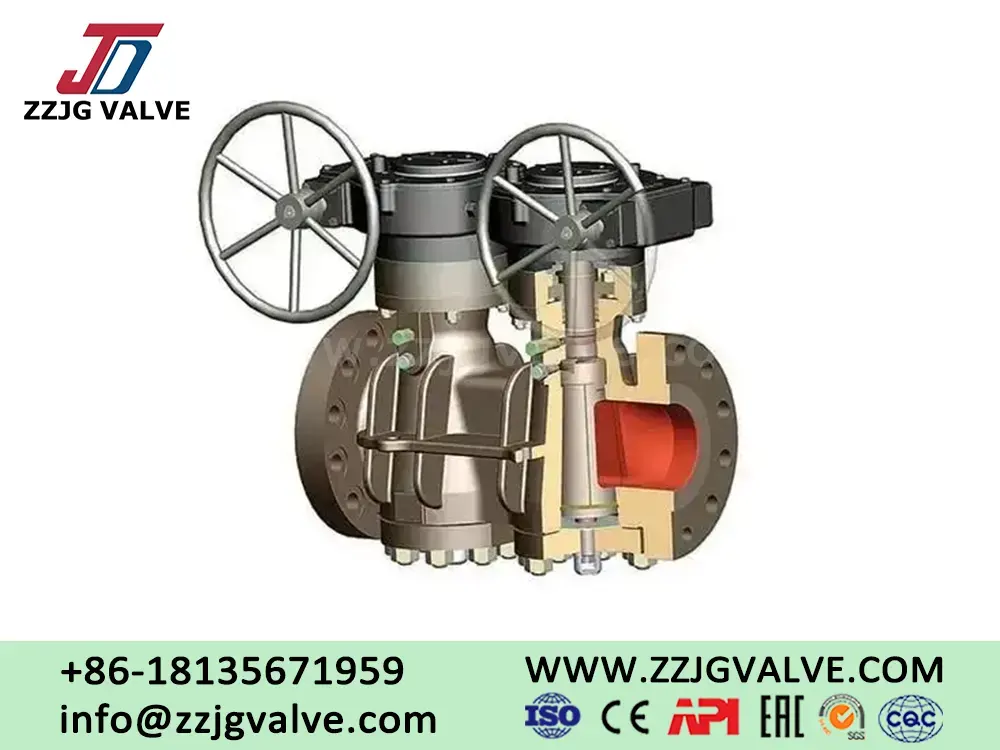
Lubricated plug valves have built-in grease injection passages and sealing grooves. Special sealing grease is injected through the top grease injection connector to form an oil film for reducing friction, filling gaps and achieving reliable sealing.
Non-lubricated types have no grease injection structure, adopting PTFE sleeve lining and other designs. Sealing is realized through precise matching of plug and valve body and deformation of sealing materials, with operation guaranteed by material self-lubrication.
2.Performance
Lubricated plug valves feature low operating torque, good erosion resistance, adaptability to high-pressure conditions and excellent sealing performance. Minor wear can be repaired by grease replenishment, but they are relatively complex, costly, require regular grease injection and may contaminate clean media.
Non-lubricated types are simple in structure and cost-effective, grease-free and free of medium contamination risk. Lined models have excellent corrosion resistance, suitable for medium-low pressure and low-temperature conditions; hard-sealed models have high operating torque and are not suitable for frequent operation.
3.Typical Categories
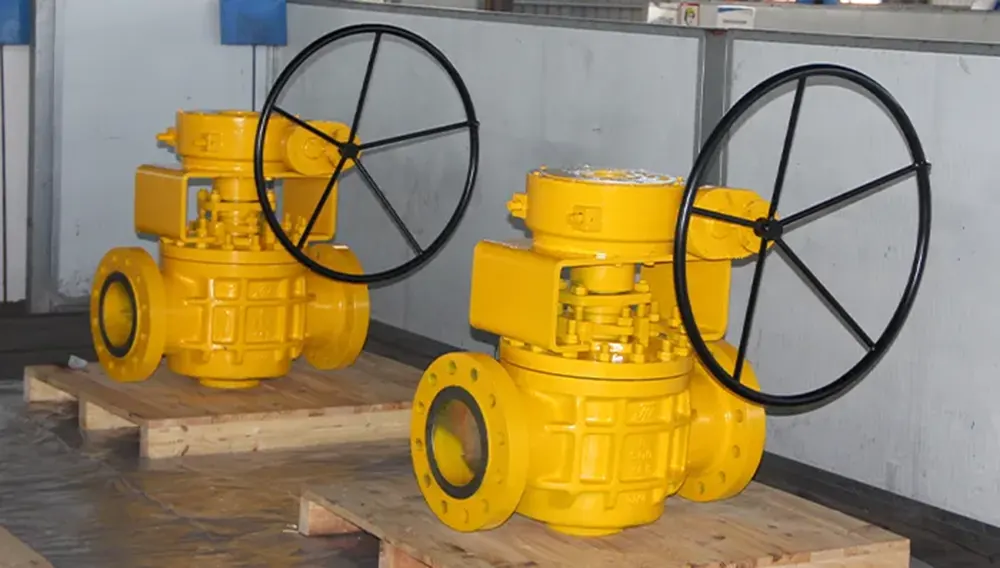
Lubricated types are mainly API lubricated and pressure balanced.
Non-lubricated types include fluorine-lined, sleeve and metal seat hard-sealed plug valves.
4.Applications
Lubricated valves are used in long-distance oil and gas pipelines, high-pressure refining pipelines;
Non-lubricated ones are suitable for fine chemical, municipal water supply and drainage, food and pharmaceutical fields to ensure medium purity.
1.Structure
Lubricated plug valves have built-in grease injection passages and sealing grooves. Special sealing grease is injected through the top grease injection connector to form an oil film for reducing friction, filling gaps and achieving reliable sealing.
Non-lubricated types have no grease injection structure, adopting PTFE sleeve lining and other designs. Sealing is realized through precise matching of plug and valve body and deformation of sealing materials, with operation guaranteed by material self-lubrication.
2.Performance
Lubricated plug valves feature low operating torque, good erosion resistance, adaptability to high-pressure conditions and excellent sealing performance. Minor wear can be repaired by grease replenishment, but they are relatively complex, costly, require regular grease injection and may contaminate clean media.
Non-lubricated types are simple in structure and cost-effective, grease-free and free of medium contamination risk. Lined models have excellent corrosion resistance, suitable for medium-low pressure and low-temperature conditions; hard-sealed models have high operating torque and are not suitable for frequent operation.
3.Typical Categories
Lubricated types are mainly API lubricated and pressure balanced.
Non-lubricated types include fluorine-lined, sleeve and metal seat hard-sealed plug valves.
4.Applications
Lubricated valves are used in long-distance oil and gas pipelines, high-pressure refining pipelines;
Non-lubricated ones are suitable for fine chemical, municipal water supply and drainage, food and pharmaceutical fields to ensure medium purity.
Previous: Plug Valve Selection for New Pipelines: 4 Core Questions to Answer Before Procurement
Recent News
- Third-Party Inspection Process for Plug Valves
- Structural Differences and Application Selection of Lubricated and Non-Lubricated Plug Valves
- Plug Valve Selection for New Pipelines: 4 Core Questions to Answer Before Procurement
- Why Anti-Static Design in Plug Valves for LNG and Fuel Oil Pipeline Safety
- How To Grease a Plug Valve?
- The 3 Most Overlooked Details When Installing a Plug Valve: 90% Of Engineers Fall For Them