The Low-Leakage Advantages of Plug Valves in VOC Control
30 Mar, 2026
1. What Are Fugitive Emissions?

Fugitive emissions refer to the uncontrolled release of media from process equipment.
This applies particularly to volatile organic compounds (VOCs), such as benzene, methane, or ethanol, as well as other harmful substances.
In industrial activities or facilities, it is inevitable that gases or vapors harmful to the environment are accidentally released. These gases are referred to as fugitive emissions. It is estimated that 51% of fugitive emissions are caused by valves. In most factories, the majority of emissions originate from valves and fittings, which are the most common components, often reaching thousands. Furthermore, these emissions primarily occur at the valve stem. Seals and gaskets may fail, due to normal wear and tear or improper maintenance. This is the primary cause of emissions from these valves.
2. Harms of Leakage Emissions and Counter measures
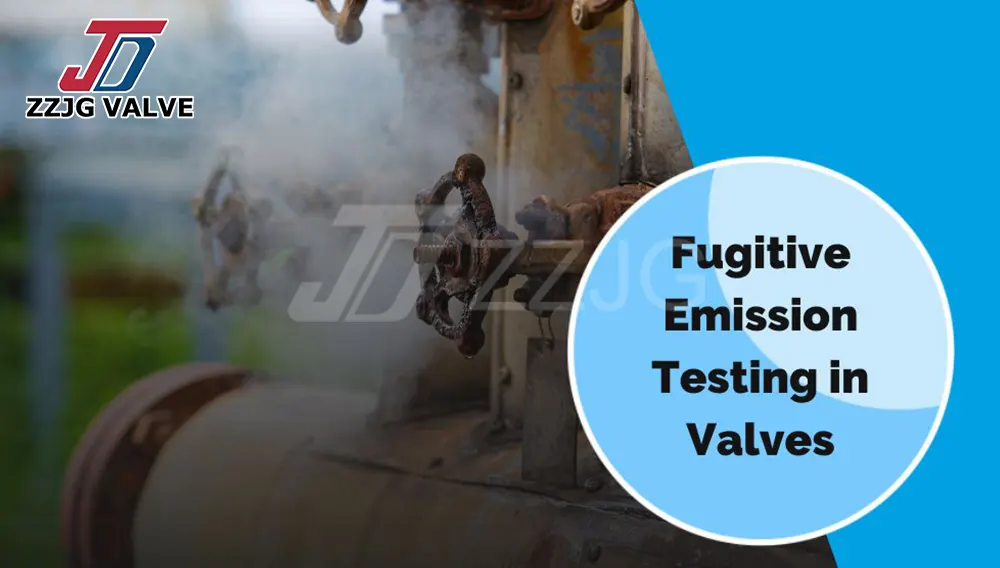
In October 1948, a toxic fog appeared in the town of Donora, Pennsylvania. It was discovered that this was an accidental release from a local steel manufacturing plant. Five days later, the toxic gas caused thousands of local residents to fall ill, and 20 people died. It is estimated that refinery valves alone emit 40,000 metric tons of VOCs annually. Today, this incident is considered one of the worst air pollution disasters in American history. It demonstrated the critical need for air pollution control and led to the development of the United States’ first clean air programs.
In addition to causing losses in marketable products, fugitive emissions pose risks to worker health and safety as well as to surrounding communities.
To counter escalating industrial pollution, the U.S. Environmental Protection Agency (EPA) enacted the Clean Air Act, the nation’s first federal legislation on air pollution control. Since then, both the federal government and individual states have implemented increasingly stringent air pollution policies. Germany also began developing air pollution control regulations in 1964, known as Technical Instructions on Air Quality Control(Technische Anleitung zur Reinhaltung der Luft), commonly referred to as TA Luft.
In the late 1980s, the EPA revised its regulations to bring refineries and chemical plants that emit VOCs and hazardous air pollutants (HAP) under its regulatory purview. The agency began conducting audits in the hope that companies would take proactive measures to reduce emissions.
To reduce VOC and HAP emissions, the EPA established the Leak Detection and Repair (LDAR) regulations.
3.Choose Low-Emission Plug Valves
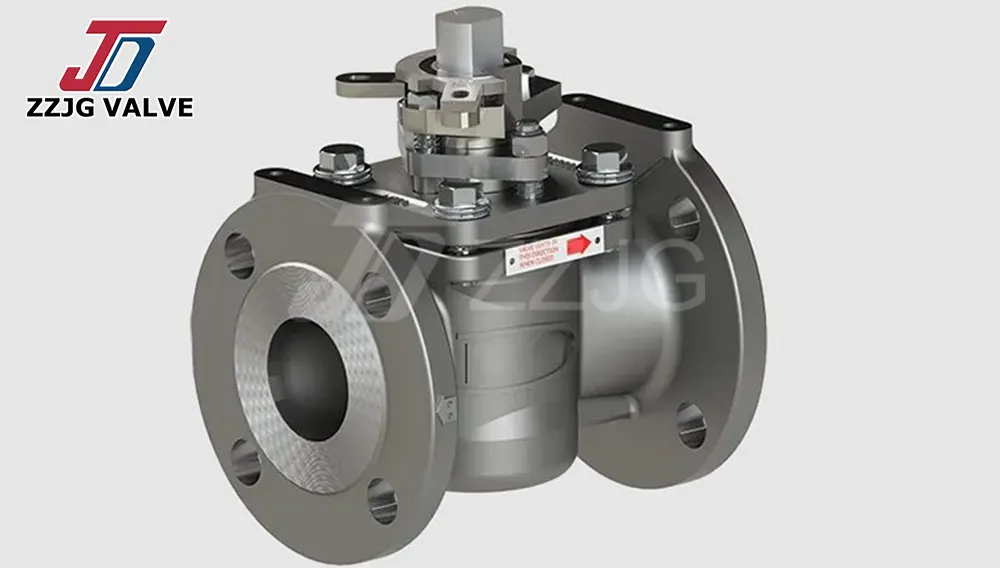
Low-emission plug valves offer superior and long-lasting in-service sealing performance. They ensure a reliable seal regardless of whether the valve is open, closed, or rotating, with sealing capabilities far exceeding those of ball valves and gate valves. These valves provide repeatable and reliable tight-shut performance, minimizing unplanned downtime. Additionally, this valve design achieves a seal without the need for lubrication. Sealing performance can be enhanced simply by adjusting the plug further into the valve body. Furthermore, the design incorporates separate plug, packing, and bonnet seals, allowing for easy adjustment or reactivation of the seal as needed.
Notably, this plug valve complies with the most stringent ISO and API fugitive emission standards, including ISO 15848-1-BH-CO3 and API 641, 1st Edition. This plug valve is also suitable for handling lethal, toxic, and cryogenic fluids, such as chlorine, anhydrous hydrogen chloride, phosgene, propylene oxide, isobutane, and hydrofluoric acid. Operators can confidently install the valve in applications involving volatile air pollutants and hazardous fluids.
Fugitive emissions refer to the uncontrolled release of media from process equipment.
This applies particularly to volatile organic compounds (VOCs), such as benzene, methane, or ethanol, as well as other harmful substances.
In industrial activities or facilities, it is inevitable that gases or vapors harmful to the environment are accidentally released. These gases are referred to as fugitive emissions. It is estimated that 51% of fugitive emissions are caused by valves. In most factories, the majority of emissions originate from valves and fittings, which are the most common components, often reaching thousands. Furthermore, these emissions primarily occur at the valve stem. Seals and gaskets may fail, due to normal wear and tear or improper maintenance. This is the primary cause of emissions from these valves.
2. Harms of Leakage Emissions and Counter measures
In October 1948, a toxic fog appeared in the town of Donora, Pennsylvania. It was discovered that this was an accidental release from a local steel manufacturing plant. Five days later, the toxic gas caused thousands of local residents to fall ill, and 20 people died. It is estimated that refinery valves alone emit 40,000 metric tons of VOCs annually. Today, this incident is considered one of the worst air pollution disasters in American history. It demonstrated the critical need for air pollution control and led to the development of the United States’ first clean air programs.
In addition to causing losses in marketable products, fugitive emissions pose risks to worker health and safety as well as to surrounding communities.
To counter escalating industrial pollution, the U.S. Environmental Protection Agency (EPA) enacted the Clean Air Act, the nation’s first federal legislation on air pollution control. Since then, both the federal government and individual states have implemented increasingly stringent air pollution policies. Germany also began developing air pollution control regulations in 1964, known as Technical Instructions on Air Quality Control(Technische Anleitung zur Reinhaltung der Luft), commonly referred to as TA Luft.
In the late 1980s, the EPA revised its regulations to bring refineries and chemical plants that emit VOCs and hazardous air pollutants (HAP) under its regulatory purview. The agency began conducting audits in the hope that companies would take proactive measures to reduce emissions.
To reduce VOC and HAP emissions, the EPA established the Leak Detection and Repair (LDAR) regulations.
3.Choose Low-Emission Plug Valves
Low-emission plug valves offer superior and long-lasting in-service sealing performance. They ensure a reliable seal regardless of whether the valve is open, closed, or rotating, with sealing capabilities far exceeding those of ball valves and gate valves. These valves provide repeatable and reliable tight-shut performance, minimizing unplanned downtime. Additionally, this valve design achieves a seal without the need for lubrication. Sealing performance can be enhanced simply by adjusting the plug further into the valve body. Furthermore, the design incorporates separate plug, packing, and bonnet seals, allowing for easy adjustment or reactivation of the seal as needed.
Notably, this plug valve complies with the most stringent ISO and API fugitive emission standards, including ISO 15848-1-BH-CO3 and API 641, 1st Edition. This plug valve is also suitable for handling lethal, toxic, and cryogenic fluids, such as chlorine, anhydrous hydrogen chloride, phosgene, propylene oxide, isobutane, and hydrofluoric acid. Operators can confidently install the valve in applications involving volatile air pollutants and hazardous fluids.
Previous: South African Valve Clients Visit Plug Valve Factory
Next: The 3 Most Overlooked Details When Installing a Plug Valve: 90% Of Engineers Fall For Them
Recent News
- Plug Valve Selection for New Pipelines: 4 Core Questions to Answer Before Procurement
- Why Anti-Static Design in Plug Valves for LNG and Fuel Oil Pipeline Safety
- How To Grease a Plug Valve?
- The 3 Most Overlooked Details When Installing a Plug Valve: 90% Of Engineers Fall For Them
- The Low-Leakage Advantages of Plug Valves in VOC Control
- South African Valve Clients Visit Plug Valve Factory