Why Anti-Static Design in Plug Valves for LNG and Fuel Oil Pipeline Safety
09 May, 2026
In the transportation systems of flammable media such as LNG, fuel oil, and hydrogen, static electricity is a real yet easily overlooked risk. As a common control device in pipelines, the effectiveness of the anti-static design of plug valves directly affects the operational safety of the entire pipeline.
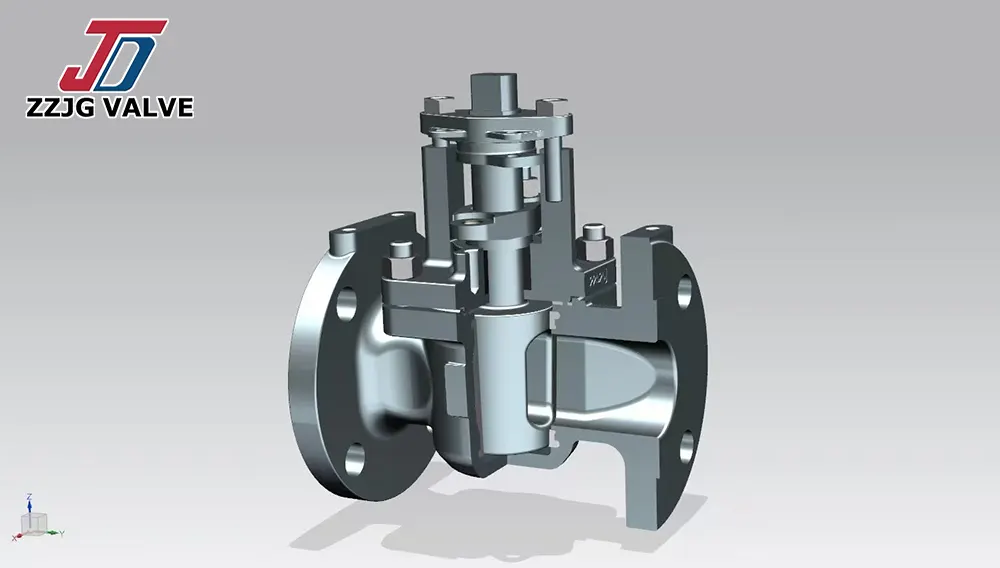
1.Where Does Static Electricity Originate?
During pipeline operation, static electricity mainly originates from two channels. First, when the medium flows at high speed within the pipeline, friction between the fluid and the pipe wall, and between the fluid and the plug valve internals, generates electrical charge. Second, during the operation of the plug valve, the continuous rotational friction between the plug and the valve body sealing surface also generates static electricity. If these charges are not discharged in time, they will accumulate on the surface of the plug valve's metal components, forming a potential difference.
2.How Does the Risk Chain Form?
When static charge accumulates to a certain level, it will momentarily discharge through the plug valve stem, valve body, or the pointed end of the plug. Under the normal operating conditions, this discharge energy is negligible. However, in environment with flammable media such as LNG, fuel oil, and solvents, the spark generated by the pointed discharge may directly ignite the medium. Especially for cryogenic media like LNG, although the storage temperature is extreme low, the emitted gases are still flammable, and the threat of electrostatic sparks is not reduced by the low temperature.
3. Technical Approach to Anti-static Structures
Compliant plug valves address this issue through a specially designed conduction path. Specifically, low-resistance path consisting of conductive springs, steel balls, or metal contact plates is installed between the plug valve stem and valve body, and between the plug and valve body. All moving parts maintain a reliable electrical connection to the valve body, with a measured resistance value of less than 10Ω. In this way, static charges generated by friction can flow to the grounding system in real time, preventing the formation of a dangerous potential difference.
4. Applicable Operating Conditions and Standard Requirements
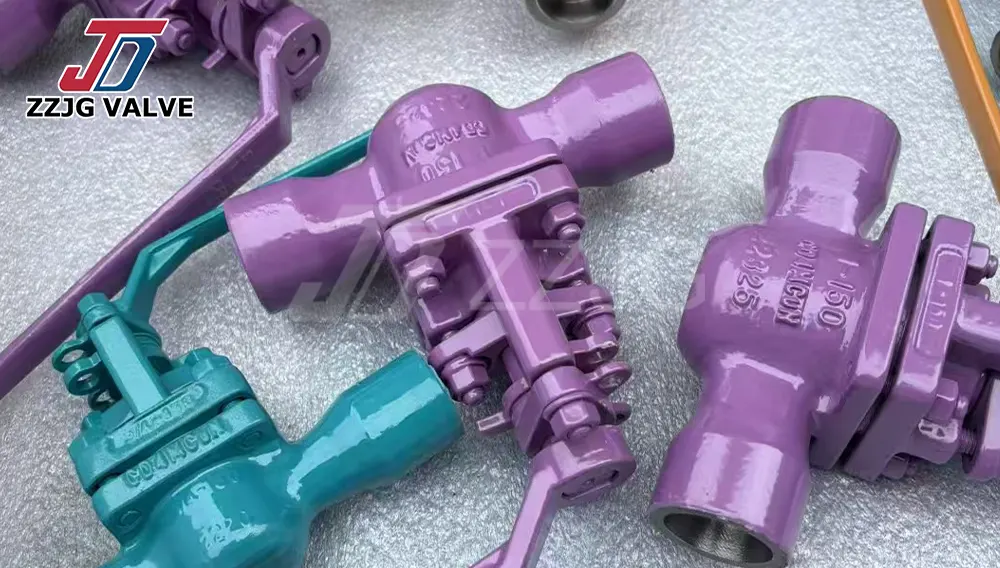
For pipeline handling flammable media such as the LNG, LPG, refined oil, aromatic solvents, and hydrogen, plug valves must be equipped with anti-static devices. This is an industry consensus and a mandatory compliance requirement. API 6D (pipeline valve standard), BS 5351 (oilfield ball and plug valve standard), and ISO 10497 (valve fire resistance testing standard) all clearly require that plug valves used with cryogenic or flammable media must have a proven antistatic design and pass a resistance test before leaving the factory.
Conclusion: Antistatic design is not a "add-on feature" for plug valves, but a core safety measure for flammable media applications. It uses a simple engineering principle—creating a low-resistance discharge path—to solve the significant hazards that static electricity buildup can cause. For LNG and fuel oil pipelines, this design is not optional, but mandatory.
If you have any question or inquiry of plug valve, welcome to contact us.
1.Where Does Static Electricity Originate?
During pipeline operation, static electricity mainly originates from two channels. First, when the medium flows at high speed within the pipeline, friction between the fluid and the pipe wall, and between the fluid and the plug valve internals, generates electrical charge. Second, during the operation of the plug valve, the continuous rotational friction between the plug and the valve body sealing surface also generates static electricity. If these charges are not discharged in time, they will accumulate on the surface of the plug valve's metal components, forming a potential difference.
2.How Does the Risk Chain Form?
When static charge accumulates to a certain level, it will momentarily discharge through the plug valve stem, valve body, or the pointed end of the plug. Under the normal operating conditions, this discharge energy is negligible. However, in environment with flammable media such as LNG, fuel oil, and solvents, the spark generated by the pointed discharge may directly ignite the medium. Especially for cryogenic media like LNG, although the storage temperature is extreme low, the emitted gases are still flammable, and the threat of electrostatic sparks is not reduced by the low temperature.
3. Technical Approach to Anti-static Structures
Compliant plug valves address this issue through a specially designed conduction path. Specifically, low-resistance path consisting of conductive springs, steel balls, or metal contact plates is installed between the plug valve stem and valve body, and between the plug and valve body. All moving parts maintain a reliable electrical connection to the valve body, with a measured resistance value of less than 10Ω. In this way, static charges generated by friction can flow to the grounding system in real time, preventing the formation of a dangerous potential difference.
4. Applicable Operating Conditions and Standard Requirements
For pipeline handling flammable media such as the LNG, LPG, refined oil, aromatic solvents, and hydrogen, plug valves must be equipped with anti-static devices. This is an industry consensus and a mandatory compliance requirement. API 6D (pipeline valve standard), BS 5351 (oilfield ball and plug valve standard), and ISO 10497 (valve fire resistance testing standard) all clearly require that plug valves used with cryogenic or flammable media must have a proven antistatic design and pass a resistance test before leaving the factory.
Conclusion: Antistatic design is not a "add-on feature" for plug valves, but a core safety measure for flammable media applications. It uses a simple engineering principle—creating a low-resistance discharge path—to solve the significant hazards that static electricity buildup can cause. For LNG and fuel oil pipelines, this design is not optional, but mandatory.
If you have any question or inquiry of plug valve, welcome to contact us.
Previous: How To Grease a Plug Valve?
Next: Plug Valve Selection for New Pipelines: 4 Core Questions to Answer Before Procurement
Recent News
- Plug Valve Selection for New Pipelines: 4 Core Questions to Answer Before Procurement
- Why Anti-Static Design in Plug Valves for LNG and Fuel Oil Pipeline Safety
- How To Grease a Plug Valve?
- The 3 Most Overlooked Details When Installing a Plug Valve: 90% Of Engineers Fall For Them
- The Low-Leakage Advantages of Plug Valves in VOC Control
- South African Valve Clients Visit Plug Valve Factory