The 3 Most Overlooked Details When Installing a Plug Valve: 90% Of Engineers Fall For Them
09 Apr, 2026
In industrial pipeline systems, plug valves are widely used in fields such as petroleum, chemical engineering, metallurgy, and pharmaceuticals due to their compact structure, rapid opening and closing, and excellent sealing performance.
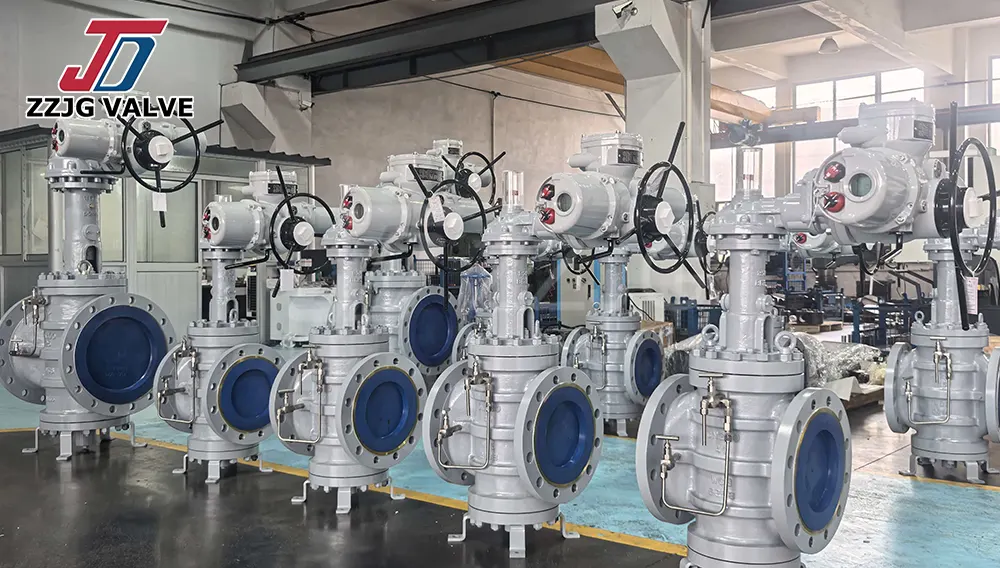
However, during actual installation, some seemingly insignificant details are often overlooked, which can pose risks for subsequent operation. Based on the feedback from multiple on-site engineers, the following three details are the most common areas where mistakes are made when installing ball valves.
Detail 1: Blindly believing that the plug valve has "no direction requirement" and ignoring special conditions
Many engineering personnel assume that the plug valve is bidirectional and install it without paying attention to the direction. However, in fact, some plug valves (such as eccentric plug valves, lubricated plug valves, or those with reverse function designs) clearly mark the flow direction arrow on the valve body.
If installed in the opposite direction, it may cause only a slight increase in flow resistance and affect the operating torque, or even lead to seal failure and even cause backflow accidents. Even for the conventional plug valve with bidirectional sealing, it is recommended to install it according to the valve body marking or process requirements in the direction indicated, to avoid shortening the valve's service life due to excessive wear on one side of the sealing pair.
Detail 2: The alignment error of the flange exceeded the standard, and forced tightening caused the valve body to deform
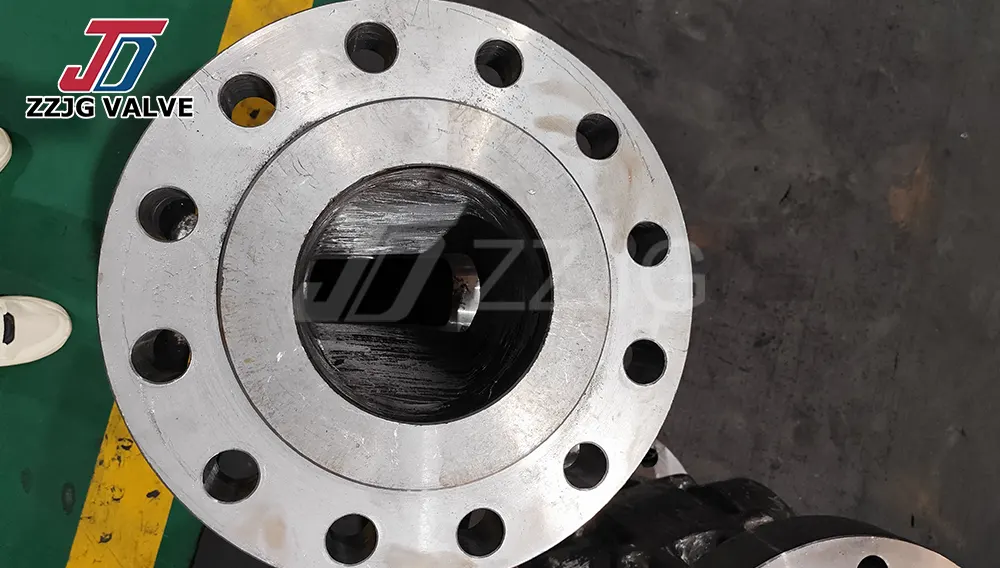
The common practice on site is: when there is a slight deviation in the position of the pipe flange holes, the bolts are forcibly tightened. For a plug valve, this operation poses extremely high risks. The core of the seal of a plug valve is the conical surface fit. If the valve body bears excessive additional bending moment or torque due to poor alignment of the flange, it will cause the conical hole to deform, destroying the mating accuracy of the sealing pair.
In mild cases, there will be leakage; in severe cases, the plug will get stuck and cannot rotate. The standard practice is: before installation, ensure that the parallelism and coaxiality of the pipe flange meet the standard requirements, and the bolts can smoothly pass through in the free state. It is strictly prohibited to use crowbars or stretchers to forcibly align the holes.
Detail 3: Directly tying the handle or actuator during hoisting causes hidden damage
The handle, worm gear box or pneumatic/electric actuator of the plug valve are designed only for operation and are not load-bearing structures. To save time on site, during hoisting, the handle or actuator is simply tied with a sling, which can easily cause deformation of internal components, loosening of positioning pins or deviation of the sealing cover.
These damages are often difficult to detect during cold-state pressure testing. When operating at high temperature or under pressure, problems such as sticking or leakage occur. The correct approach is: During hoisting, the valve body or a dedicated lifting lug must be used, and the valve must be kept closed to prevent accidental rotation of the plug due to vibration during hoisting.
Conclusion
Although the plug valve has a simple structure, "details determine success or failure". Confirming the direction, aligning the flanges, and providing protection during lifting - these three seemingly basic tasks are precisely the areas most prone to being overlooked by empiricism. It is recommended that the construction unit conduct technical briefings before the valve installation and include them in the key plug-point inspection checklist. After all, a proper installation once is better than ten emergency repairs.
However, during actual installation, some seemingly insignificant details are often overlooked, which can pose risks for subsequent operation. Based on the feedback from multiple on-site engineers, the following three details are the most common areas where mistakes are made when installing ball valves.
Detail 1: Blindly believing that the plug valve has "no direction requirement" and ignoring special conditions
Many engineering personnel assume that the plug valve is bidirectional and install it without paying attention to the direction. However, in fact, some plug valves (such as eccentric plug valves, lubricated plug valves, or those with reverse function designs) clearly mark the flow direction arrow on the valve body.
If installed in the opposite direction, it may cause only a slight increase in flow resistance and affect the operating torque, or even lead to seal failure and even cause backflow accidents. Even for the conventional plug valve with bidirectional sealing, it is recommended to install it according to the valve body marking or process requirements in the direction indicated, to avoid shortening the valve's service life due to excessive wear on one side of the sealing pair.
Detail 2: The alignment error of the flange exceeded the standard, and forced tightening caused the valve body to deform
The common practice on site is: when there is a slight deviation in the position of the pipe flange holes, the bolts are forcibly tightened. For a plug valve, this operation poses extremely high risks. The core of the seal of a plug valve is the conical surface fit. If the valve body bears excessive additional bending moment or torque due to poor alignment of the flange, it will cause the conical hole to deform, destroying the mating accuracy of the sealing pair.
In mild cases, there will be leakage; in severe cases, the plug will get stuck and cannot rotate. The standard practice is: before installation, ensure that the parallelism and coaxiality of the pipe flange meet the standard requirements, and the bolts can smoothly pass through in the free state. It is strictly prohibited to use crowbars or stretchers to forcibly align the holes.
Detail 3: Directly tying the handle or actuator during hoisting causes hidden damage
The handle, worm gear box or pneumatic/electric actuator of the plug valve are designed only for operation and are not load-bearing structures. To save time on site, during hoisting, the handle or actuator is simply tied with a sling, which can easily cause deformation of internal components, loosening of positioning pins or deviation of the sealing cover.
These damages are often difficult to detect during cold-state pressure testing. When operating at high temperature or under pressure, problems such as sticking or leakage occur. The correct approach is: During hoisting, the valve body or a dedicated lifting lug must be used, and the valve must be kept closed to prevent accidental rotation of the plug due to vibration during hoisting.
Conclusion
Although the plug valve has a simple structure, "details determine success or failure". Confirming the direction, aligning the flanges, and providing protection during lifting - these three seemingly basic tasks are precisely the areas most prone to being overlooked by empiricism. It is recommended that the construction unit conduct technical briefings before the valve installation and include them in the key plug-point inspection checklist. After all, a proper installation once is better than ten emergency repairs.
Previous: The Low-Leakage Advantages of Plug Valves in VOC Control
Recent News
- Plug Valve Selection for New Pipelines: 4 Core Questions to Answer Before Procurement
- Why Anti-Static Design in Plug Valves for LNG and Fuel Oil Pipeline Safety
- How To Grease a Plug Valve?
- The 3 Most Overlooked Details When Installing a Plug Valve: 90% Of Engineers Fall For Them
- The Low-Leakage Advantages of Plug Valves in VOC Control
- South African Valve Clients Visit Plug Valve Factory