How To Grease a Plug Valve?
23 Apr, 2026
It is key to lubricate your plug valve regularly. It is a small action but have a huge influence. Regular grease the lubricated plug valve can reduce the torque of the valve, easy to open and close, also, keep the sealing performance in a good condition. This guide gather the professional plug valve manufacturers’ experience to help you get the best practicals to maintain the plug valve.
Safety First (Crucial Step)
Before oiling / greasing the operation, the plug valve must be isolated and pressure must be reliefed first.
- Shut down the system: you need to close the upstream and downstream valves and isolate the specific pipeline and the system
- Pressure relief: open the lubricated plug valve slowly, discharge the residual pressure inside the valve body, to make sure that the gauge shows zero.
- Lockout / Tagout (LOTO): During the on site industrial operations, you must follow the rules and regulations. Lockout and tagout to prevent accidental valve operation or pressure rise again.
- Wear personal protective equipment (PPE): Put on safety goggles, protective gloves and work cloths.
Ensure the pressure inside the valve body are entirely relieved before the grease operation.
Preparation & Cleaning
Proper preparation for the lubricated plug valve grease process to prevent impurity from forced into the valve.
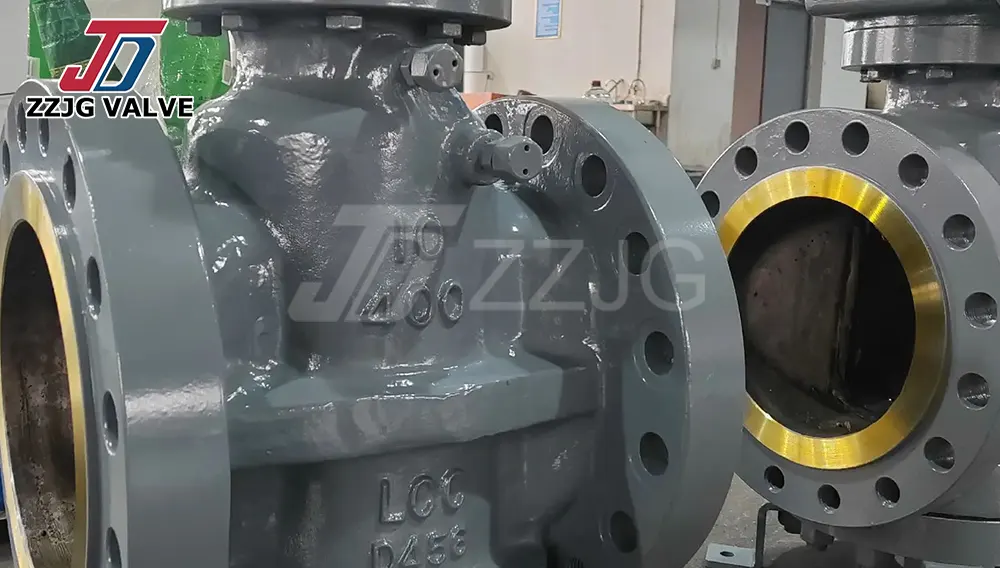
- Clean the exterior: Use a brush and cloth to remove dirt things, old grease, rust, and other debris from the plug valve, especial around the grease fitting (nipple) and the stem area.
- Clean the fitting: Before attach grease gun, cleaning thorough the grease injection nozzle to prevent from pushing any dirty things into the lubricated plug valve.
- Make the sure to use the right type of grease: do not used ordinary bearing lubricant; instead, use the lithium-based or calcium-based grease specifical for lubricated plug valves, which must meet the temperature and medium requirements. In the food processing scenarios, food-grade grease must used.
Lubrication Procedure
This is the core process. Most of industrial plug valves has a grease fitting for this purpose.
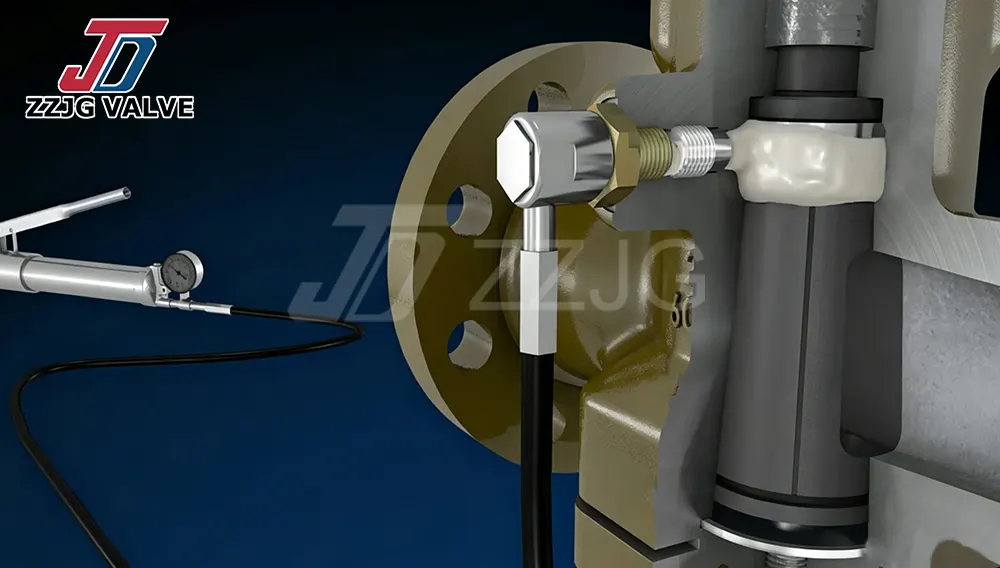
1. Connect the oiling gun: Secure attach the manual or hydraulic rod-type oiling gun to the valve's oiling nozzle, ensuring a tight connection.
2. Oiling: Gently and steadily press the handle. At first, it may feel a bit tight, that is because the old oil inside is being squeezed out.
3. Observation the result: Keep run the oil, and as long as the clean, fresh oil starts to spill out from the lubricated plug valve stem and sealing position, it indicating that the old and dirty oil has been flushed away.
4. Avoid adding too much oil: Stop immediately when you see new oil overflowing. Add too much oil will cause the hydraulic system to lock up, causing the valve to get stuck and unable to rotate, and it may also damage the internal seals.
Post-Lubrication Steps
- Cycle the plug valve: Rotate the lubricated plug valve from the fully open to fully close 3~5 times. This will makes sure that the lubricant is evenly distribute on the whole surface and seat of the plug valve.
- Final cleanness: Use a brush or cloth to wipe away the excessive grease squeezed out of the valve.
- Check leakage: After the pipeline system resume safe operations, check the connection of the valve stem and valve body, to see if there is any leakage.
Lubrication Frequency
How often you need to grease the lubricated plug valve depends on how frequently the valve is use and the operation conditions.
- General Rule: Every 6 to 18 months for the standard industrial applications.
- Frequent Operation: If the lubricated plug valves is cycled often, grease it after every 2-5 operatoins or once a month.
- Harsh Conditions: For the high-temperature, high-pressure, or critical systems, lubricate every 3 to 6 months.
Common Mistakes to Avoid
- Using wrong type of lubricant: The grease used for ordinary bearings does not meets the standards for corrosion resistance and sealing performance. This make the valve rotation extremely difficult.
- Excessive oiling: This increase the system pressure, makes the operation difficult, and may even damage the sealing ring.
- Mixing different lubricating greases: Different base oils or thickening agents may react with each others, cause the lubricating grease to become hard or thin. Before changing the lubricant type, make sure that thoroughly remove the old grease.
- Don't force the stuck valve: After add the oil, valve still has difficulty opening and closing. Don't try to force it. There may be internal damage or accumulated dirt. It must be removed for cleaning.
I hope this guide help you maintain your lubricated plug valve effectively. If you want to know more or any help, contact ZZJG PLUG VALVE.
Safety First (Crucial Step)
Before oiling / greasing the operation, the plug valve must be isolated and pressure must be reliefed first.
- Shut down the system: you need to close the upstream and downstream valves and isolate the specific pipeline and the system
- Pressure relief: open the lubricated plug valve slowly, discharge the residual pressure inside the valve body, to make sure that the gauge shows zero.
- Lockout / Tagout (LOTO): During the on site industrial operations, you must follow the rules and regulations. Lockout and tagout to prevent accidental valve operation or pressure rise again.
- Wear personal protective equipment (PPE): Put on safety goggles, protective gloves and work cloths.
Ensure the pressure inside the valve body are entirely relieved before the grease operation.
Preparation & Cleaning
Proper preparation for the lubricated plug valve grease process to prevent impurity from forced into the valve.
- Clean the exterior: Use a brush and cloth to remove dirt things, old grease, rust, and other debris from the plug valve, especial around the grease fitting (nipple) and the stem area.
- Clean the fitting: Before attach grease gun, cleaning thorough the grease injection nozzle to prevent from pushing any dirty things into the lubricated plug valve.
- Make the sure to use the right type of grease: do not used ordinary bearing lubricant; instead, use the lithium-based or calcium-based grease specifical for lubricated plug valves, which must meet the temperature and medium requirements. In the food processing scenarios, food-grade grease must used.
Lubrication Procedure
This is the core process. Most of industrial plug valves has a grease fitting for this purpose.
1. Connect the oiling gun: Secure attach the manual or hydraulic rod-type oiling gun to the valve's oiling nozzle, ensuring a tight connection.
2. Oiling: Gently and steadily press the handle. At first, it may feel a bit tight, that is because the old oil inside is being squeezed out.
3. Observation the result: Keep run the oil, and as long as the clean, fresh oil starts to spill out from the lubricated plug valve stem and sealing position, it indicating that the old and dirty oil has been flushed away.
4. Avoid adding too much oil: Stop immediately when you see new oil overflowing. Add too much oil will cause the hydraulic system to lock up, causing the valve to get stuck and unable to rotate, and it may also damage the internal seals.
Post-Lubrication Steps
- Cycle the plug valve: Rotate the lubricated plug valve from the fully open to fully close 3~5 times. This will makes sure that the lubricant is evenly distribute on the whole surface and seat of the plug valve.
- Final cleanness: Use a brush or cloth to wipe away the excessive grease squeezed out of the valve.
- Check leakage: After the pipeline system resume safe operations, check the connection of the valve stem and valve body, to see if there is any leakage.
Lubrication Frequency
How often you need to grease the lubricated plug valve depends on how frequently the valve is use and the operation conditions.
- General Rule: Every 6 to 18 months for the standard industrial applications.
- Frequent Operation: If the lubricated plug valves is cycled often, grease it after every 2-5 operatoins or once a month.
- Harsh Conditions: For the high-temperature, high-pressure, or critical systems, lubricate every 3 to 6 months.
Common Mistakes to Avoid
- Using wrong type of lubricant: The grease used for ordinary bearings does not meets the standards for corrosion resistance and sealing performance. This make the valve rotation extremely difficult.
- Excessive oiling: This increase the system pressure, makes the operation difficult, and may even damage the sealing ring.
- Mixing different lubricating greases: Different base oils or thickening agents may react with each others, cause the lubricating grease to become hard or thin. Before changing the lubricant type, make sure that thoroughly remove the old grease.
- Don't force the stuck valve: After add the oil, valve still has difficulty opening and closing. Don't try to force it. There may be internal damage or accumulated dirt. It must be removed for cleaning.
I hope this guide help you maintain your lubricated plug valve effectively. If you want to know more or any help, contact ZZJG PLUG VALVE.
Previous: The 3 Most Overlooked Details When Installing a Plug Valve: 90% Of Engineers Fall For Them
Next: Why Anti-Static Design in Plug Valves for LNG and Fuel Oil Pipeline Safety
Recent News
- Plug Valve Selection for New Pipelines: 4 Core Questions to Answer Before Procurement
- Why Anti-Static Design in Plug Valves for LNG and Fuel Oil Pipeline Safety
- How To Grease a Plug Valve?
- The 3 Most Overlooked Details When Installing a Plug Valve: 90% Of Engineers Fall For Them
- The Low-Leakage Advantages of Plug Valves in VOC Control
- South African Valve Clients Visit Plug Valve Factory