What Pipelines Are Full Bore Plug Valves Suitable For?
26 Oct, 2026
Not all pipes require the use of full-bore plug valves. For pipeline systems that need low flow resistance, stable flow, or frequent cleaning and inspection, full-bore plug valves are a better choice.
The flow path of the full-bore plug valve is close to the inner diameter of the pipe, and the resistance encountered by the medium during flow is relatively small, which can reduce pressure loss. At the same time, the larger flow path also facilitates the passage of cleaning tools and blocking tools through the valve. Therefore, these plug valves are more suitable for pipeline systems that need to maintain unobstructed flow or require regular cleaning and inspection.
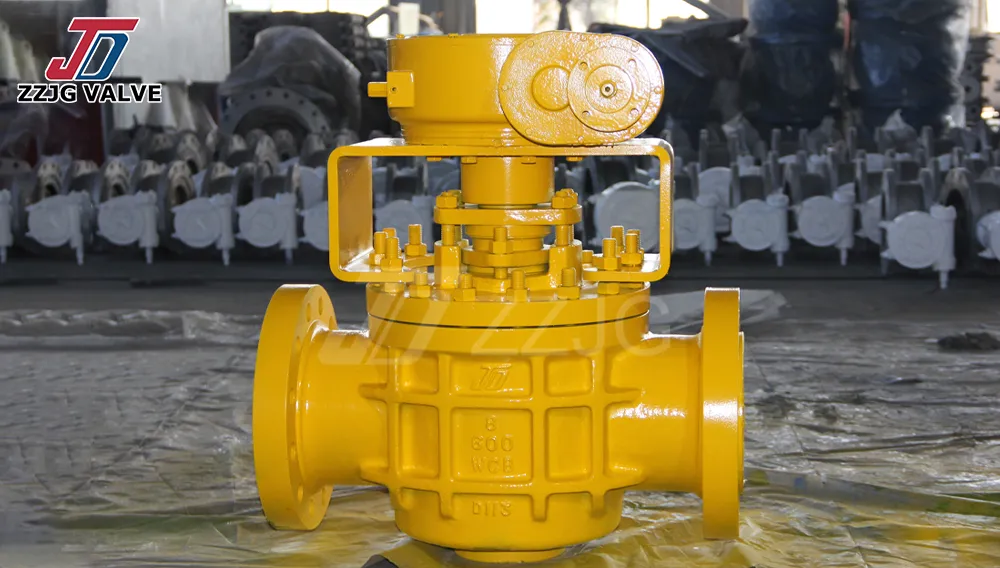
1. Oil and Gas Transmission Pipelines
Oil pipelines and natural gas transmission pipelines are common application scenarios for full-bore plug valves. During long-distance pipeline transportation, it is necessary to maintain a stable flow rate and minimize pressure loss. The full-bore design enables the medium to pass through the plug valve more smoothly, reducing the impact of the plug valve on the pipeline flow.
Full-bore plug valves are also suitable for pipelines that require regular pigging, cleaning, or inspection. The full-bore passage is close to the inner diameter of the pipeline, providing sufficient space for piggers to pass through, reducing the obstruction caused by narrowing of the flow path.
2. Petrochemical Process Pipelines
Refineries and petrochemical plants have numerous process pipelines for transporting crude oil, refined products, hydrocarbons, and various chemical media. For pipelines with high requirements for flow rate and pressure loss, full-port plug valves can be used for cutting off and isolation. The full-port design enables the medium to flow through the valve more smoothly and reduces flow resistance.
The material and sealing method of the valves need to be selected based on the actual working conditions. When selecting, factors such as the medium type, working temperature, working pressure, and corrosiveness should be given priority consideration.
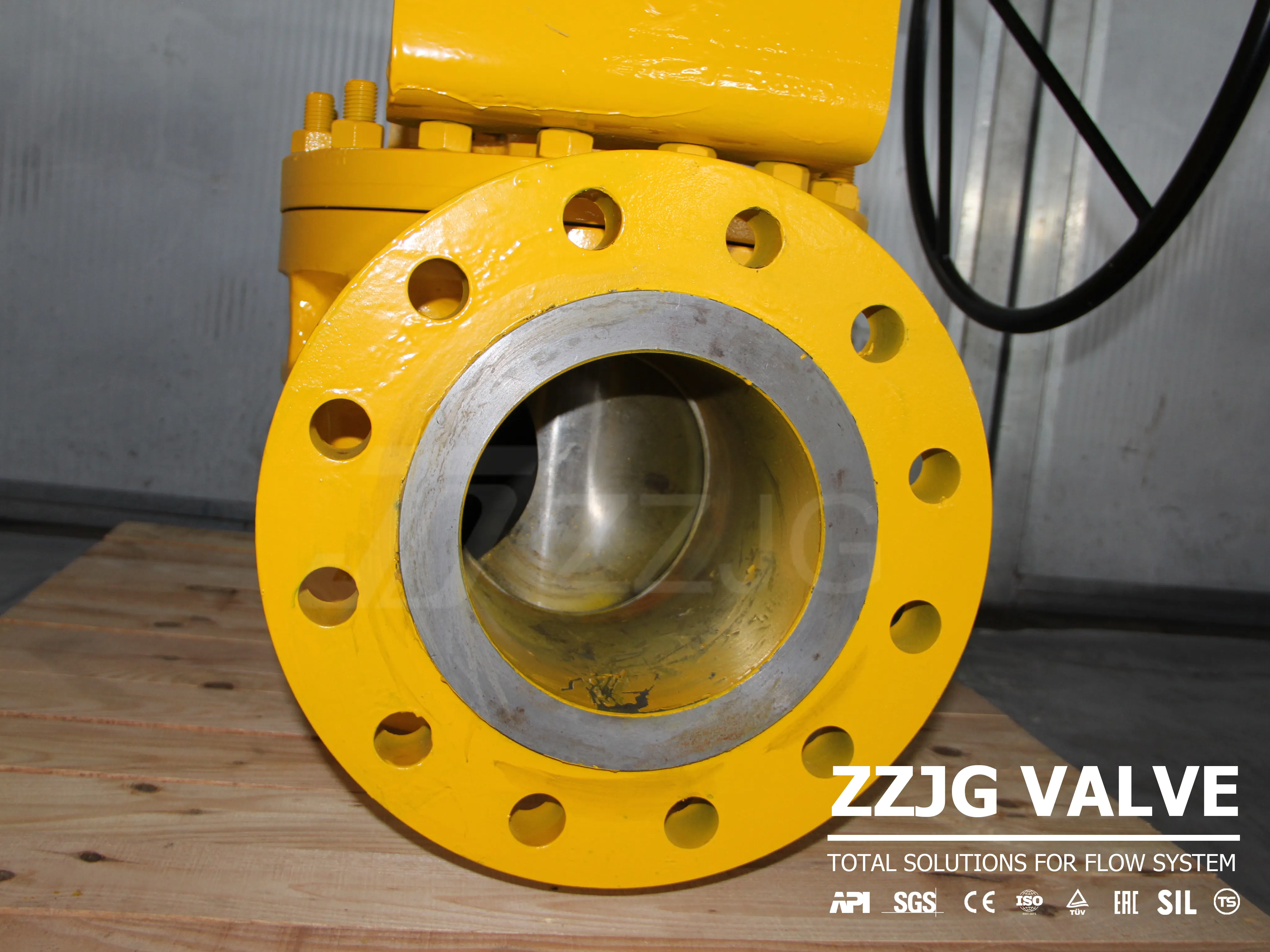
3. Pipelines That Require Pigging
For pipeline systems that require the use of pigging devices (Pigs) for pipeline cleaning, material isolation, maintenance or inspection, full-bore plug valves are a suitable choice. The full-bore flow path is close to the inner diameter of the pipeline, allowing the pigging devices to pass through smoothly and reducing the resistance during passage through the valve.
These valves are commonly used in oil and gas transmission pipelines, refined oil transmission pipelines, and other industrial pipelines that need to undergo regular internal cleaning and inspection. For systems that require maintaining a clear internal passage, the full-bore design can bring better performance.
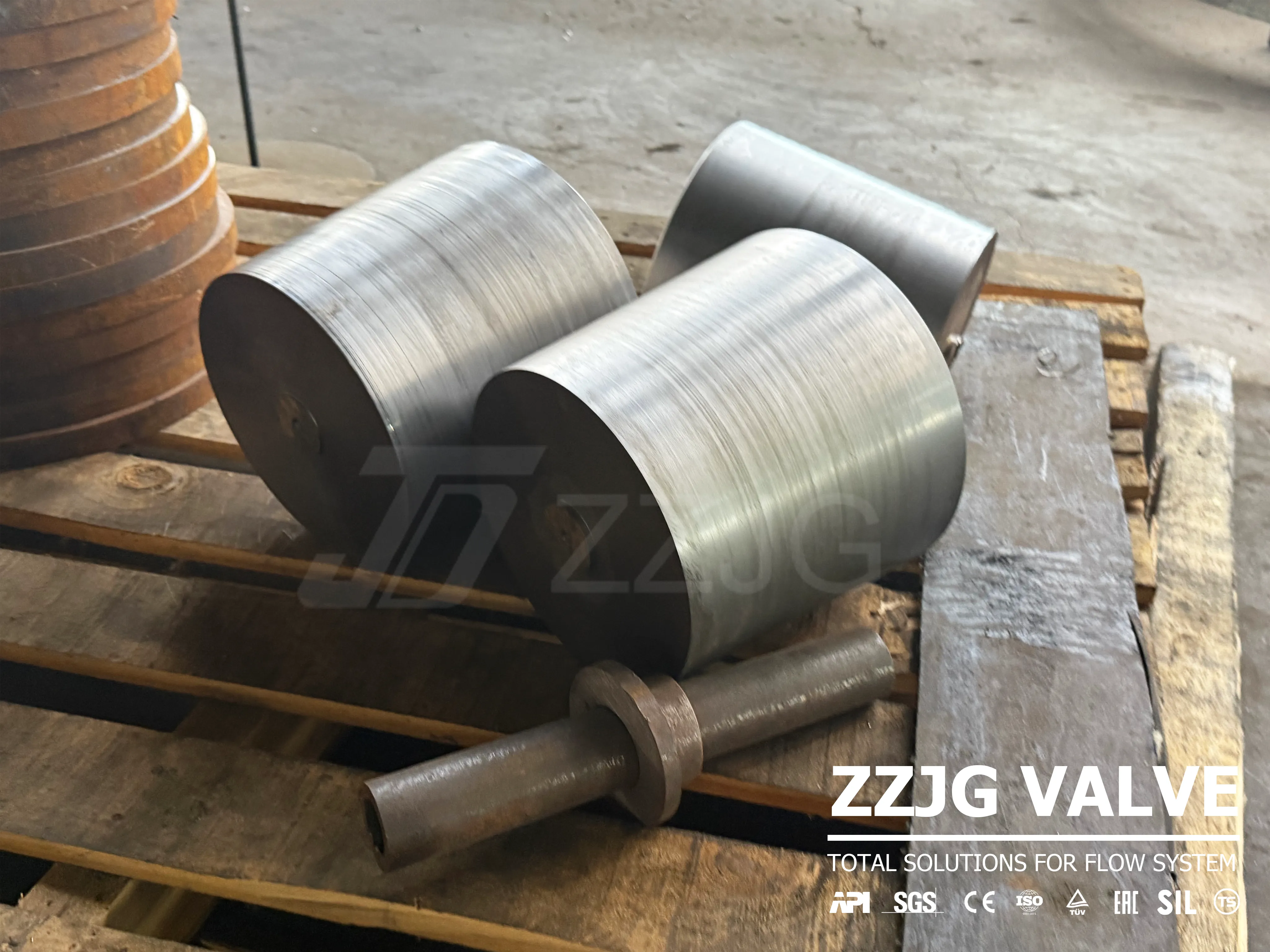
4. Industrial Pipelines With Low Flow Resistance Requirements
For large-volume industrial pipelines, reducing pressure loss at the valve is very important. When the full-port plug valve is fully opened, the flow channel is close to the inner diameter of the pipeline, allowing the medium to pass through the valve more smoothly and reducing flow resistance, thereby improving the transportation efficiency.
The full-port plug valve can be used for some water, oil, gas, and chemical medium pipelines. The specific selection also needs to be determined in combination with pipeline design, medium type, working pressure, working temperature, and actual operating conditions.
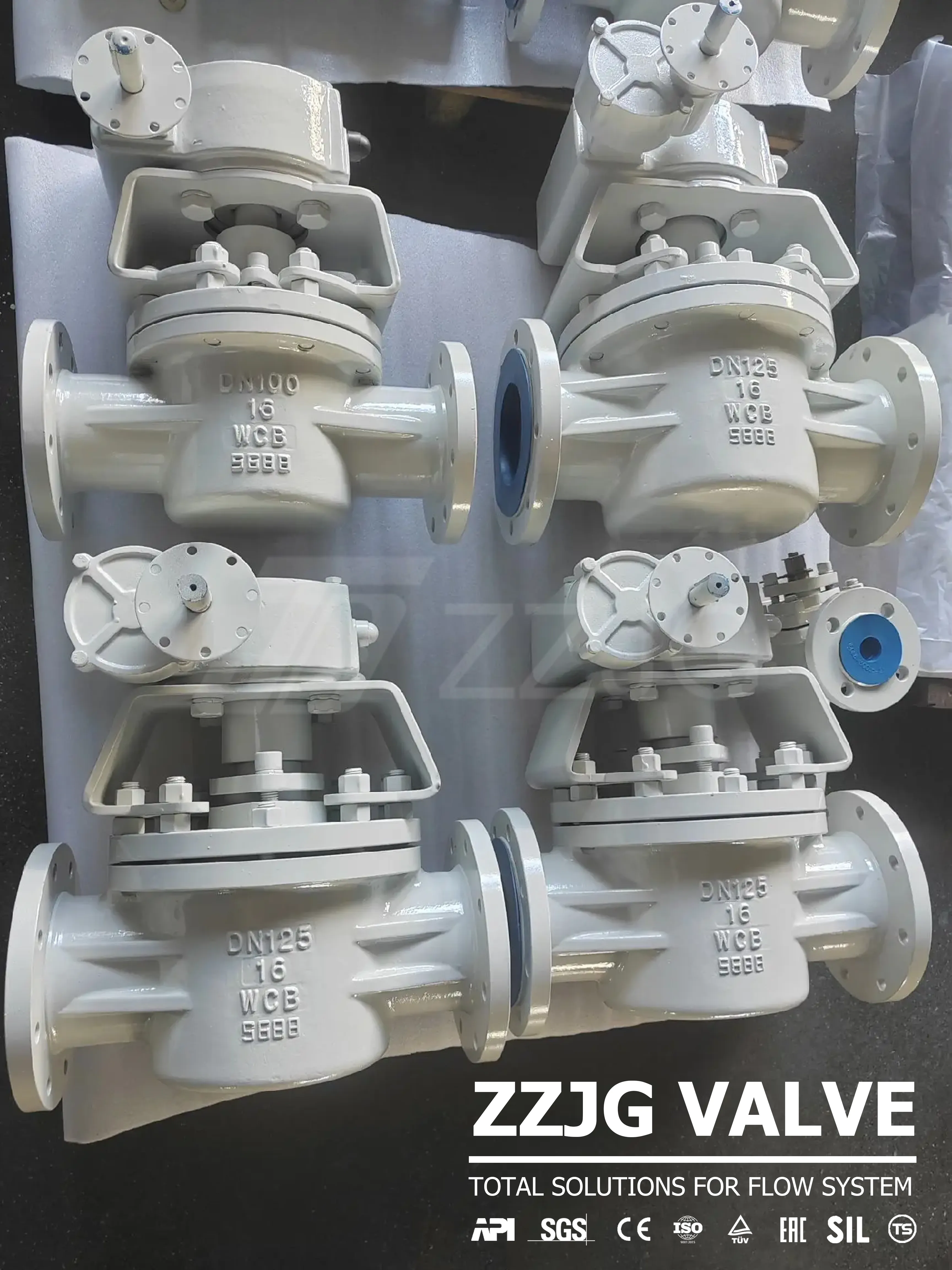
Full Bore Plug Valves Are Not Required for Every Pipeline
When choosing a full-port plug valve, buyers can first consider a few basic conditions: Does the pipeline need to undergo blocking operations? Is the flow rate large? Is pressure loss a key factor to control? Does the plug valve need to be cut off and isolated for a long time and reliably?
If the pipeline requires blocking operations or has high requirements for flow rate and low flow resistance, the full-port plug valve is usually a suitable choice. For branch lines, auxiliary lines, or pipelines that do not require blocking operations, the full-port or reduced-diameter design can be selected based on actual working conditions.
ZZJG valves provide a variety of plug valves for petroleum, natural gas, chemical and other industrial pipeline systems. The valves can be customized according to nominal size, pressure rating, working temperature, medium and material requirements. Handwheels, gearboxes or actuators can also be configured according to project needs.
The flow path of the full-bore plug valve is close to the inner diameter of the pipe, and the resistance encountered by the medium during flow is relatively small, which can reduce pressure loss. At the same time, the larger flow path also facilitates the passage of cleaning tools and blocking tools through the valve. Therefore, these plug valves are more suitable for pipeline systems that need to maintain unobstructed flow or require regular cleaning and inspection.
1. Oil and Gas Transmission Pipelines
Oil pipelines and natural gas transmission pipelines are common application scenarios for full-bore plug valves. During long-distance pipeline transportation, it is necessary to maintain a stable flow rate and minimize pressure loss. The full-bore design enables the medium to pass through the plug valve more smoothly, reducing the impact of the plug valve on the pipeline flow.
Full-bore plug valves are also suitable for pipelines that require regular pigging, cleaning, or inspection. The full-bore passage is close to the inner diameter of the pipeline, providing sufficient space for piggers to pass through, reducing the obstruction caused by narrowing of the flow path.
2. Petrochemical Process Pipelines
Refineries and petrochemical plants have numerous process pipelines for transporting crude oil, refined products, hydrocarbons, and various chemical media. For pipelines with high requirements for flow rate and pressure loss, full-port plug valves can be used for cutting off and isolation. The full-port design enables the medium to flow through the valve more smoothly and reduces flow resistance.
The material and sealing method of the valves need to be selected based on the actual working conditions. When selecting, factors such as the medium type, working temperature, working pressure, and corrosiveness should be given priority consideration.
3. Pipelines That Require Pigging
For pipeline systems that require the use of pigging devices (Pigs) for pipeline cleaning, material isolation, maintenance or inspection, full-bore plug valves are a suitable choice. The full-bore flow path is close to the inner diameter of the pipeline, allowing the pigging devices to pass through smoothly and reducing the resistance during passage through the valve.
These valves are commonly used in oil and gas transmission pipelines, refined oil transmission pipelines, and other industrial pipelines that need to undergo regular internal cleaning and inspection. For systems that require maintaining a clear internal passage, the full-bore design can bring better performance.
4. Industrial Pipelines With Low Flow Resistance Requirements
For large-volume industrial pipelines, reducing pressure loss at the valve is very important. When the full-port plug valve is fully opened, the flow channel is close to the inner diameter of the pipeline, allowing the medium to pass through the valve more smoothly and reducing flow resistance, thereby improving the transportation efficiency.
The full-port plug valve can be used for some water, oil, gas, and chemical medium pipelines. The specific selection also needs to be determined in combination with pipeline design, medium type, working pressure, working temperature, and actual operating conditions.
Full Bore Plug Valves Are Not Required for Every Pipeline
When choosing a full-port plug valve, buyers can first consider a few basic conditions: Does the pipeline need to undergo blocking operations? Is the flow rate large? Is pressure loss a key factor to control? Does the plug valve need to be cut off and isolated for a long time and reliably?
If the pipeline requires blocking operations or has high requirements for flow rate and low flow resistance, the full-port plug valve is usually a suitable choice. For branch lines, auxiliary lines, or pipelines that do not require blocking operations, the full-port or reduced-diameter design can be selected based on actual working conditions.
ZZJG valves provide a variety of plug valves for petroleum, natural gas, chemical and other industrial pipeline systems. The valves can be customized according to nominal size, pressure rating, working temperature, medium and material requirements. Handwheels, gearboxes or actuators can also be configured according to project needs.
Previous: Third-Party Inspection for Plug Valves: What to Prepare for BV, DNV and SGS Inspection
Next: Back to list
Recent News
- What Pipelines Are Full Bore Plug Valves Suitable For?
- Third-Party Inspection for Plug Valves: What to Prepare for BV, DNV and SGS Inspection
- CN7M Pneumatic Plug Valve: An Automated Shut-off Solution for Corrosive Media
- Eccentric plug valve: A reliable and durable solution in industrial fluid control
- How To Handle Stuffing Box Leakage In a Plug Valve?
- Three-way plug valve: Structure, working principle and industrial applications