Third-Party Inspection for Plug Valves: What to Prepare for BV, DNV and SGS Inspection
In international petroleum, natural gas, chemical, power and engineering projects, sometimes the plug valves need to be inspected and witnessed on-site by a third-party inspection company designated by the client. Common inspection companies include BV, DNV and SGS. For valve manufacturers, third-party inspection is not the final step after production is completed. Manufacturers need to be prepared from the beginning of the project, including confirming inspection requirements, preparing products and organizing relevant quality documents.
When the client designates BV, DNV or SGS for inspection, ZZJG VALVE will confirm the inspection scope, inspection date, testing items and required documents according to the project requirements. At the same time, the company will check the production and inspection of the plug valves in advance to ensure that the products meet the project requirements and prepare relevant quality documents to be ready for the third-party inspection and on-site witnessing.
Before the inspection, manufacturers usually need to prepare complete quality documents. These documents generally include purchase orders, technical specifications, approved drawings, valve data sheets, inspection and testing plans (ITP), material test certificates (MTC), raw material inspection records, production inspection records, as well as final inspection and test reports.
If the project has special requirements for materials, additional relevant documents such as chemical composition, mechanical properties, and heat treatment records need to be prepared. For plug valves, pressure testing and sealing test records should also be prepared according to the project requirements, so that third-party inspectors can conduct inspections and confirmations.
Before the arrival of the third-party inspector, the plug valve should complete its production and internal quality inspection. The manufacturer needs to first compare the actual product with the approved drawings and purchase orders to confirm that the specifications, structure and technical requirements of the product comply with the project requirements. Only after both the product and internal inspections are completed can the third-party inspection process be entered.
During on-site inspection, the inspector usually checks the appearance, size, material marking, connection method, nameplate and other product details of the plug valve. At the same time, pressure tests and seal tests should also be completed in accordance with the project requirements and relevant standards in advance, and complete test records should be prepared. This allows the inspector to conduct inspections and confirm based on the actual product and test records.
The inspection and testing requirements for different types of plug valves may also vary. For example, double isolation pressure relief (DBB) plug valves, metal seat plug valves, soft seat plug valves and special material plug valves may require additional inspection items. Therefore, the manufacturer should confirm the specific requirements according to the project specifications before the inspection and make preparations in advance.
In addition to the product itself, valve markings and quality documents also need to be finally checked. The valve model, size, pressure rating, material and manufacturer information on the nameplate should be consistent with the approved drawings, purchase orders and related quality documents. By completing these checks in advance, problems can be reduced during on-site inspection, allowing the third-party inspection to proceed smoothly.
For international engineering projects, the Inspection and Test Plan (ITP) usually lists the inspections and witnessing points that need to be carried out. These contents generally include material inspection, processing inspection, assembly inspection, pressure test, final inspection, and document review, etc. Manufacturers need to arrange production and inspection work according to the ITP and confirm all inspection requirements in advance.
When the customer requests BV, DNV or SGS to conduct inspections and on-site witnessing, manufacturers usually need to submit inspection notifications in advance. The inspection date, inspection location, product quantity and inspection scope should all be confirmed in advance. This allows the third-party inspectors to arrange the inspection work in advance and avoids delays in the inspection process due to incomplete information.
Therefore, before the third-party inspectors arrive, manufacturers not only need to prepare the valves, but also need to prepare relevant inspection and quality documents. For each witnessing point specified in the ITP, preparations should also be made in advance and the corresponding inspections and tests should be completed in accordance with the approved ITP.
Before the third-party inspection begins, the manufacturer can conduct an internal pre-inspection first. The pre-inspection mainly involves checking whether the information in the valves, drawings, nameplates, material certificates, test reports and purchase orders is consistent. By conducting the pre-inspection in advance, problems in the product or documents can be identified promptly, and the modifications can be completed before the third-party inspection.
For the plug valve project, the manufacturer should focus on checking the valve model and size, pressure rating, connection standard, material certificate, pressure and sealing test results, nameplate information, and product identification number. These pieces of information should be consistent with the relevant technical documents to avoid problems during the third-party inspection.
Completing the internal pre-inspection in advance can reduce the rework and waiting time during the third-party inspection, and also make the on-site inspection smoother. This can reduce the impact on the project progress and help the manufacturer complete the valve delivery as planned.
ZZJG VALVE Supports Third-Party Inspection
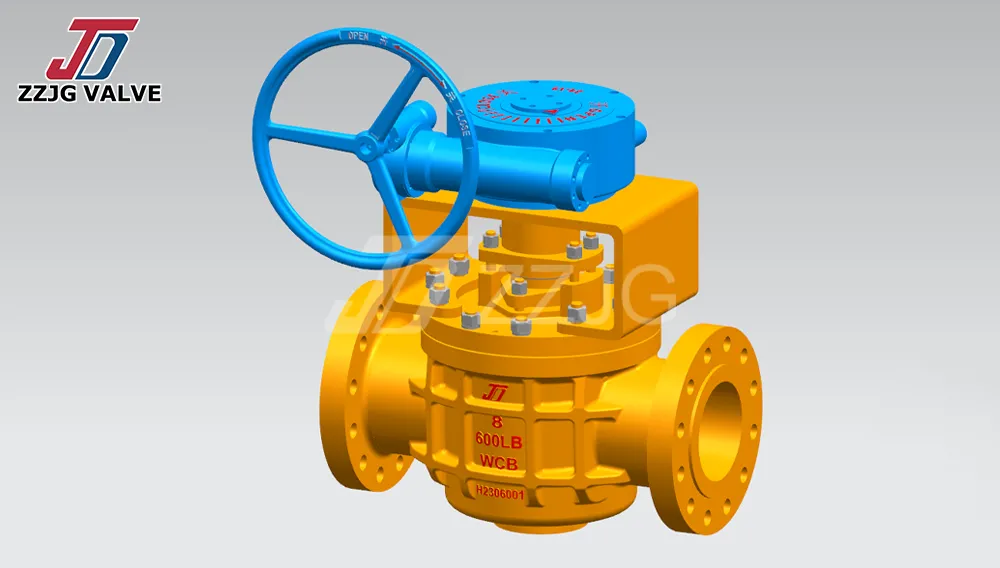
ZZJG VALVE can cooperate with the third-party inspection institutions specified by the client, such as BV, DNV and SGS, to conduct inspections and on-site witnessing according to the project requirements. The company can also prepare relevant quality documents, inspection records and test reports in advance according to the project specifications.
During the production process, ZZJG VALVE conducts quality checks from raw material inspection, processing, assembly to final pressure testing. After the product is completed, the company will cooperate with the client and the third-party inspectors to complete the final inspection to ensure that the plug valves and related documents meet the project requirements.
For petroleum, chemical, power and other industrial pipeline projects, ZZJG VALVE can provide plug valves of different sizes, pressure ratings, materials and sealing structures according to the client's requirements. For projects that require BV, DNV, SGS or other third-party inspections, confirming the inspection scope, time and document requirements in advance can reduce problems during the inspection process and also help improve production, inspection and delivery efficiency.
Previous: CN7M Pneumatic Plug Valve: An Automated Shut-off Solution for Corrosive Media
Next: Back to list
Recent News
- Third-Party Inspection for Plug Valves: What to Prepare for BV, DNV and SGS Inspection
- CN7M Pneumatic Plug Valve: An Automated Shut-off Solution for Corrosive Media
- Eccentric plug valve: A reliable and durable solution in industrial fluid control
- How To Handle Stuffing Box Leakage In a Plug Valve?
- Three-way plug valve: Structure, working principle and industrial applications
- 10Inch 150LB WCB DBB Plug Valve Manufacturer | ZZJG VALVE