Application of DBB Plug Valves in Oil and Gas Stations
24 Nov, 2026
1. Introduction
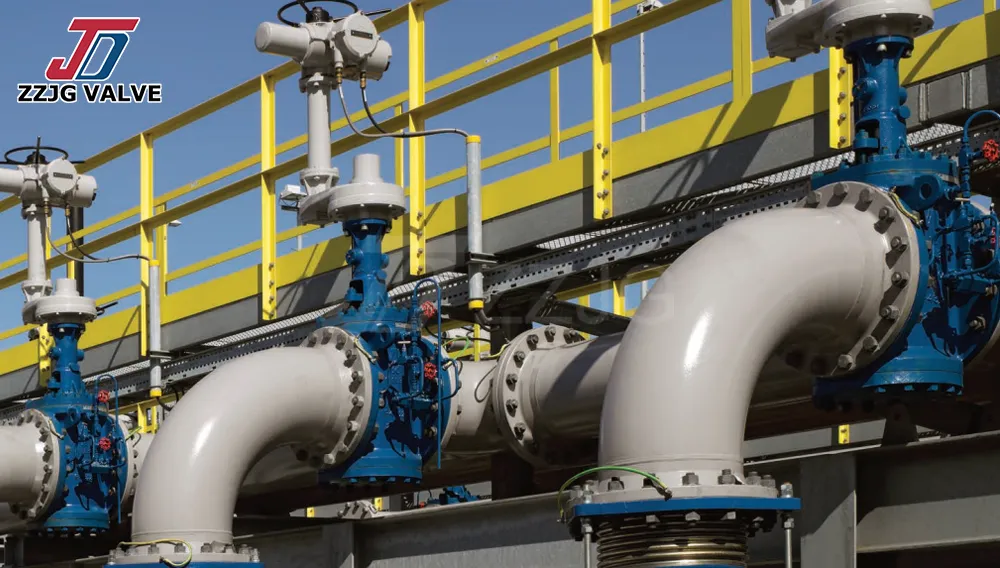
Oil and gas stations are important parts of oil and gas transportation systems. They are used for pipeline control, pressure regulation, metering, filtration and equipment maintenance. These systems often handle natural gas, crude oil and other process fluids under high pressure. In these applications, reliable pipeline isolation is very important. Valves must provide effective sealing to reduce the risk of leakage during equipment maintenance and pipeline operations.DBB (Double Block and Bleed) plug valves are widely used in pipeline systems where double isolation is required. They provide two sealing barriers and a bleed port in one valve. This design helps operators check the sealing condition between the two sealing surfaces and improves isolation safety.
2. How Does a DBB Plug Valve Work?
A DBB plug valve is designed with two independent sealing surfaces and a bleed connection between them. When the valve is closed, the two sealing surfaces block the flow from both sides. The bleed port can then be opened to release or check the pressure in the cavity between the sealing surfaces. This design allows operators to verify whether the two sealing barriers are working properly. It also helps reduce the need for installing multiple separate valves in some pipeline arrangements. Compared with a conventional single-isolation valve, a DBB plug valve provides an additional isolation barrier and a more convenient way to check the sealing condition.
3. Main Applications in Oil and Gas Stations
· Pipeline Isolation
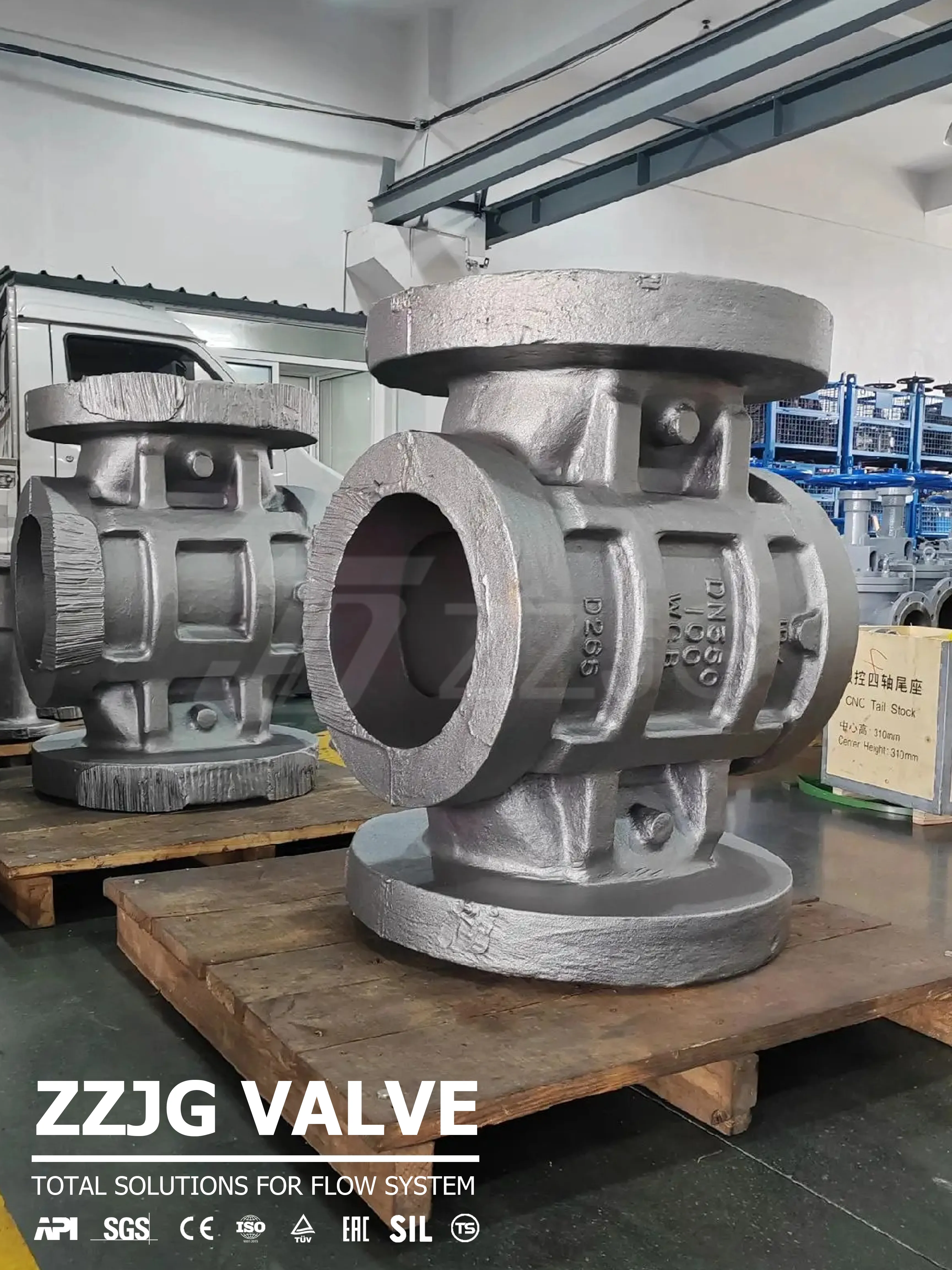
DBB plug valves can be installed in oil and gas station inlet and outlet pipelines. They are used to isolate pipeline sections during maintenance, inspection or equipment replacement. The double-block design provides two sealing barriers, while the bleed port allows operators to check the pressure between them.
· Metering and Measurement Systems
Metering systems are used to measure the flow and consumption of natural gas or oil. These systems often contain flow meters, instruments and other sensitive equipment. DBB plug valves can be used to isolate measurement equipment during maintenance or calibration. This helps reduce the risk of process fluid entering the equipment during servicing.
· Filter and Separator Systems
Filters and separators are common equipment in oil and gas stations. They remove solid particles, liquids and other unwanted substances from the process stream. DBB plug valves can be installed around this equipment to provide isolation when filter elements need to be replaced or separators need to be inspected.
· Pump and Compressor Systems
Pumps and compressors are important parts of oil and gas transportation and processing systems. DBB plug valves can be used at selected equipment connections to isolate pumps, compressors and related pipeline sections during maintenance. Their suitability depends on the system pressure, medium and isolation requirements.
· Bypass and Maintenance Pipelines
Some oil and gas stations use bypass pipelines to maintain system operation during equipment maintenance or inspection. DBB plug valves can help provide reliable isolation at selected pipeline connections. Their compact design may also reduce the number of separate valves and fittings required.
4. Key Advantages of DBB Plug Valves
For oil and gas station applications, DBB plug valves offer several important advantages:
- Double Isolation: Two independent sealing surfaces provide two isolation barriers.
- Bleed Function: The bleed port allows operators to release or monitor pressure in the cavity between the sealing surfaces.
- Space Saving: One DBB valve can replace certain arrangements using multiple separate valves.
- Maintenance Convenience: Operators can check the sealing condition before carrying out maintenance work.
- Flexible Design: Different body materials, sealing materials, pressure ratings and operating methods can be selected according to project requirements.
5. Important Factors When Selecting a DBB Plug Valve
Choosing the right DBB plug valve requires attention to several technical details.
√ Pressure Rating: The valve pressure class should match the pipeline design pressure and operating conditions.
√ Body Material: Carbon steel, stainless steel and alloy materials can be selected based on the working medium, temperature and corrosion requirements.
√ Sealing Material: PTFE, reinforced PTFE and other suitable sealing materials may be considered according to the medium and operating temperature.
√ Valve Size and Connection: The valve size, flange standard and face-to-face dimensions should match the pipeline design.
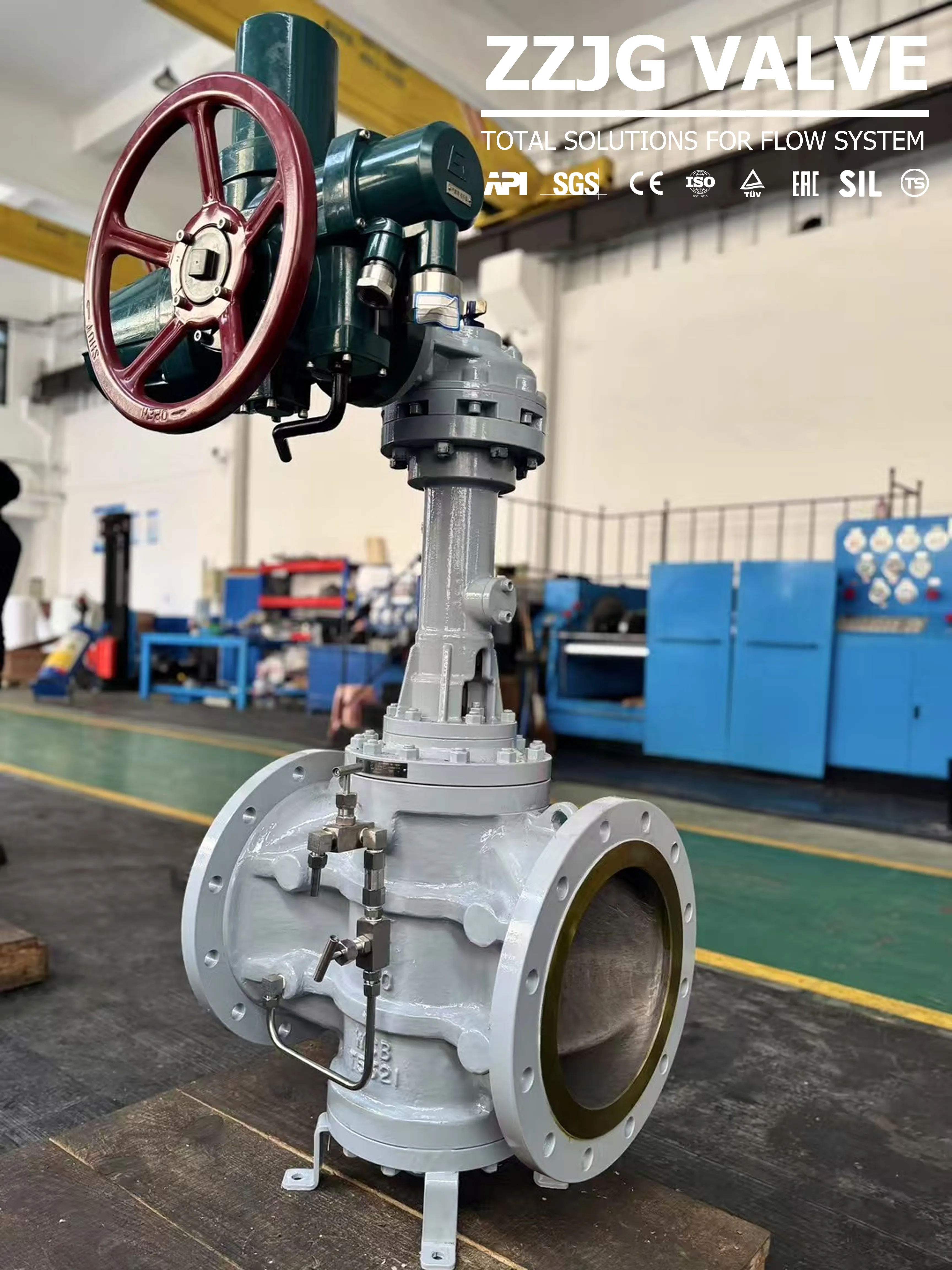
√ Operation Method: Manual, gear-operated, pneumatic or electric operation can be selected based on the valve size and automation requirements.
√ Testing Requirements: Shell testing, seat leakage testing and other project-specific inspections should be confirmed before production.
6. ZZJG VALVE DBB Plug Valve Solutions
ZZJG VALVE manufactures DBB plug valves for oil and gas pipelines and industrial process systems. We can provide different valve sizes, pressure ratings and body materials according to project requirements. Valve configurations can also be selected based on the working medium, operating temperature, sealing requirements and connection standards. Our DBB plug valve solutions are designed for applications where reliable double isolation and pressure checking are required. For oil and gas station projects, ZZJG VALVE can work with customers to confirm technical specifications and provide suitable valve configurations.
Conclusion
DBB plug valves are useful in oil and gas stations where reliable isolation is required for pipelines, metering systems, filters, separators and other equipment. Their double-block design and bleed function provide an additional way to verify isolation conditions. With the right materials, sealing design and pressure rating, DBB plug valves can support safer and more convenient pipeline maintenance. Contact ZZJG VALVE for DBB plug valve specifications and project-based solutions.
Oil and gas stations are important parts of oil and gas transportation systems. They are used for pipeline control, pressure regulation, metering, filtration and equipment maintenance. These systems often handle natural gas, crude oil and other process fluids under high pressure. In these applications, reliable pipeline isolation is very important. Valves must provide effective sealing to reduce the risk of leakage during equipment maintenance and pipeline operations.DBB (Double Block and Bleed) plug valves are widely used in pipeline systems where double isolation is required. They provide two sealing barriers and a bleed port in one valve. This design helps operators check the sealing condition between the two sealing surfaces and improves isolation safety.
2. How Does a DBB Plug Valve Work?
A DBB plug valve is designed with two independent sealing surfaces and a bleed connection between them. When the valve is closed, the two sealing surfaces block the flow from both sides. The bleed port can then be opened to release or check the pressure in the cavity between the sealing surfaces. This design allows operators to verify whether the two sealing barriers are working properly. It also helps reduce the need for installing multiple separate valves in some pipeline arrangements. Compared with a conventional single-isolation valve, a DBB plug valve provides an additional isolation barrier and a more convenient way to check the sealing condition.
3. Main Applications in Oil and Gas Stations
· Pipeline Isolation
DBB plug valves can be installed in oil and gas station inlet and outlet pipelines. They are used to isolate pipeline sections during maintenance, inspection or equipment replacement. The double-block design provides two sealing barriers, while the bleed port allows operators to check the pressure between them.
· Metering and Measurement Systems
Metering systems are used to measure the flow and consumption of natural gas or oil. These systems often contain flow meters, instruments and other sensitive equipment. DBB plug valves can be used to isolate measurement equipment during maintenance or calibration. This helps reduce the risk of process fluid entering the equipment during servicing.
· Filter and Separator Systems
Filters and separators are common equipment in oil and gas stations. They remove solid particles, liquids and other unwanted substances from the process stream. DBB plug valves can be installed around this equipment to provide isolation when filter elements need to be replaced or separators need to be inspected.
· Pump and Compressor Systems
Pumps and compressors are important parts of oil and gas transportation and processing systems. DBB plug valves can be used at selected equipment connections to isolate pumps, compressors and related pipeline sections during maintenance. Their suitability depends on the system pressure, medium and isolation requirements.
· Bypass and Maintenance Pipelines
Some oil and gas stations use bypass pipelines to maintain system operation during equipment maintenance or inspection. DBB plug valves can help provide reliable isolation at selected pipeline connections. Their compact design may also reduce the number of separate valves and fittings required.
4. Key Advantages of DBB Plug Valves
For oil and gas station applications, DBB plug valves offer several important advantages:
- Double Isolation: Two independent sealing surfaces provide two isolation barriers.
- Bleed Function: The bleed port allows operators to release or monitor pressure in the cavity between the sealing surfaces.
- Space Saving: One DBB valve can replace certain arrangements using multiple separate valves.
- Maintenance Convenience: Operators can check the sealing condition before carrying out maintenance work.
- Flexible Design: Different body materials, sealing materials, pressure ratings and operating methods can be selected according to project requirements.
5. Important Factors When Selecting a DBB Plug Valve
Choosing the right DBB plug valve requires attention to several technical details.
√ Pressure Rating: The valve pressure class should match the pipeline design pressure and operating conditions.
√ Body Material: Carbon steel, stainless steel and alloy materials can be selected based on the working medium, temperature and corrosion requirements.
√ Sealing Material: PTFE, reinforced PTFE and other suitable sealing materials may be considered according to the medium and operating temperature.
√ Valve Size and Connection: The valve size, flange standard and face-to-face dimensions should match the pipeline design.
√ Operation Method: Manual, gear-operated, pneumatic or electric operation can be selected based on the valve size and automation requirements.
√ Testing Requirements: Shell testing, seat leakage testing and other project-specific inspections should be confirmed before production.
6. ZZJG VALVE DBB Plug Valve Solutions
ZZJG VALVE manufactures DBB plug valves for oil and gas pipelines and industrial process systems. We can provide different valve sizes, pressure ratings and body materials according to project requirements. Valve configurations can also be selected based on the working medium, operating temperature, sealing requirements and connection standards. Our DBB plug valve solutions are designed for applications where reliable double isolation and pressure checking are required. For oil and gas station projects, ZZJG VALVE can work with customers to confirm technical specifications and provide suitable valve configurations.
Conclusion
DBB plug valves are useful in oil and gas stations where reliable isolation is required for pipelines, metering systems, filters, separators and other equipment. Their double-block design and bleed function provide an additional way to verify isolation conditions. With the right materials, sealing design and pressure rating, DBB plug valves can support safer and more convenient pipeline maintenance. Contact ZZJG VALVE for DBB plug valve specifications and project-based solutions.
Previous: 10-Inch Class 150 WCB Jacketed Plug Valve for Industrial Pipeline Systems
Next: Back to list
Recent News
- Application of DBB Plug Valves in Oil and Gas Stations
- 10-Inch Class 150 WCB Jacketed Plug Valve for Industrial Pipeline Systems
- What Pipelines Are Full Bore Plug Valves Suitable For?
- Third-Party Inspection for Plug Valves: What to Prepare for BV, DNV and SGS Inspection
- CN7M Pneumatic Plug Valve: An Automated Shut-off Solution for Corrosive Media
- Eccentric plug valve: A reliable and durable solution in industrial fluid control