A217 C5 Plug Valve: 650℃ High Temperature Resistance for Severe High-Sulfur Refinery Service
As industries such as petrochemicals, coal chemicals, and power generation operate at higher parameters, stringent requirements are being placed on the high-temperature resistance, corrosion resistance, and pressure resistance of pipeline control valves. Against this backdrop, plug valves made primarily of C5 (ASTM A217 C5) alloy steel are becoming a focus of industry attention. Their excellent oxidation resistance and high-temperature strength demonstrate superior applicability in catalytic cracking, coking, and high-temperature steam applications.
C5 alloy steel belongs to the chromium-molybdenum steel series and exhibits good resistance to sulfide corrosion and high-temperature oxidation in high-temperature environments. In plug valve applications, using C5 material for the valve body and cover effectively addresses the strength degradation and corrosion problems that traditional carbon steel valves are prone to at high temperatures. Industry data shows that valves made of this material typically operate at temperatures ranging from -29℃ to +650℃, and even meet higher temperature resistance requirements in some operating conditions. The pressure range covers Class 150 to Class 2500, providing reliable protection for high-temperature and high-pressure pipelines.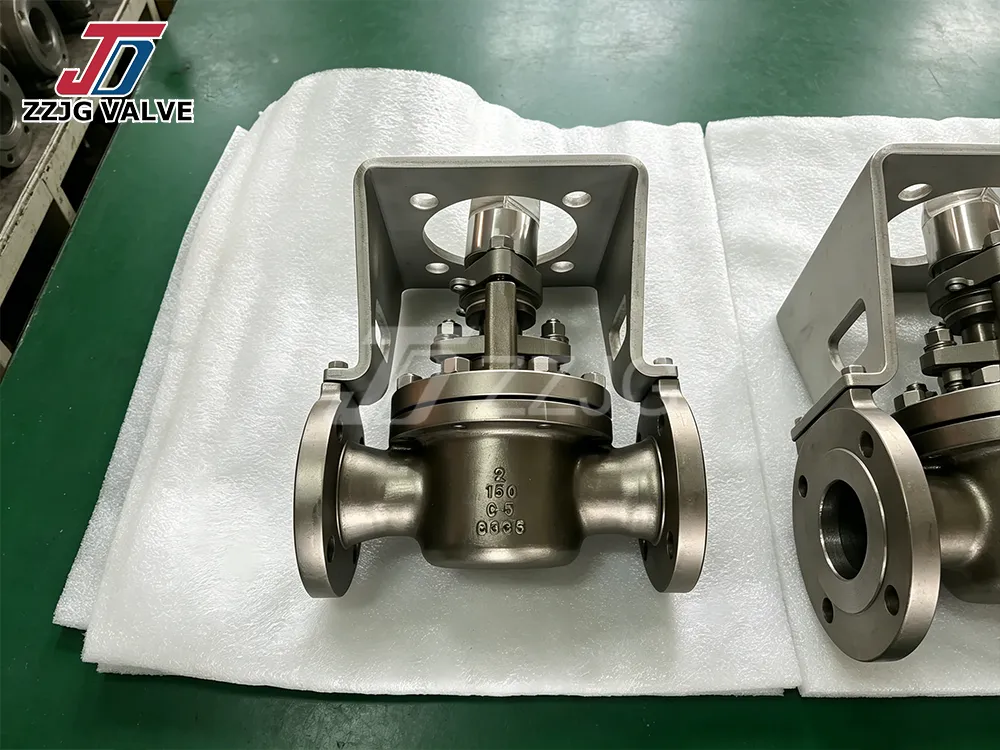
C5 Plug Valves Application
I. Petroleum Refining Industry (Core Main Application Areas)
1. Atmospheric and Vacuum Distillation Units
Heating Furnace Inlet and Outlet Plug Valves: The high-temperature crude oil (400~520℃) at the furnace tube outlet contains a large amount of sulfides and gum. Ordinary WC6 valves suffer from thinning of the inner wall due to sulfide corrosion after long-term use, while the C5 valve body can resist high-temperature sulfur corrosion; the plug valve's straight-through flow channel avoids heavy oil gum buildup and clogging.
High-temperature side pipeline of the pressure reducing tower: Used for cutting off high-temperature wax oil and residual oil transport. The medium has high viscosity and is prone to coking. A 90° rapid opening and closing mechanism eliminates dead zones and reduces coke deposits.
High-temperature gas venting pipeline at the tower top: Used for high-temperature gas containing hydrogen sulfide. Ordinary carbon steel is highly susceptible to sulfidation stress cracking under high-temperature conditions. C5 material reduces the risk of leakage and explosion at the source.
2. Catalytic Reforming And Hydrocracking Units
Reforming heater fuel gas and reaction product plug valves: The medium is a high-temperature hydrogen + hydrogen sulfide mixture, with temperatures ranging from 450 to 580°C. High temperature, high pressure, and strong sulfidation corrosion are the dual operating conditions, making C5 plug valves the most typical application point.
Hydrogenation feed pipeline and circulating hydrogen bypass valve: Used for high-pressure, high-temperature sulfur-containing feedstock. Equipment safety interlock shut-off is implemented. The plug valve opens and closes rapidly, allowing for quick material cut-off in emergency situations.
3. High-Temperature Heavy Oil Outlet of Distillation Tower
High-temperature heavy distillate oil after hydrogenation, containing sulfur and metallic impurities. A C5 hard-seal plug valve is used for wear and erosion resistance.
4. Coking and Delayed Coking Units
High-Temperature Oil and Gas Inlet/Outlet of Coke Tower: High-temperature coking gas above 500℃, containing large amounts of sulfur and asphaltenes, is highly prone to coking; a straight flow channel with no dead angles makes it less prone to clogging compared to gate valves and stop valves.
5. Fuel Oil and High-Temperature Vent Pipelines of Heating Furnace
Coking gas has extremely high hydrogen sulfide content, requiring long-term high-temperature operation. This eliminates the risk of valve body corrosion perforation, media leakage, and fire hazards.
6. Sulfur Recovery Unit
High-Temperature Acid Gas Transmission Plug Valve: The medium is a mixture of H₂S and SO₂ high-temperature process gas, operating in a high-temperature sulfur corrosion environment. Stainless steel lacks sufficient high-temperature strength over long-term use; C5 combines high-temperature resistance and sulfur resistance.
The medium is a mixture of H₂S and SO₂ high-temperature process gas, operating in a high-temperature sulfur corrosion environment. Stainless steel lacks sufficient high-temperature strength over long-term use; C5 combines high-temperature resistance and sulfur resistance.
II. Coal Chemical, Coal-to-Oil, and Coal-to-Gas Projects
Coal-to-Oil High-Temperature Hydrogenation Section: High-temperature slurry and circulating oil/gas pipelines for coal liquefaction, operating at 420-550℃. Raw materials contain inorganic sulfides, leading to rapid corrosion of conventional carbon steel valves. C5 plug valves are used for section isolation and emergency shut-off.
Gasification Unit High-Temperature Crude Gas Bypass: Crude gas contains hydrogen sulfide and tar. Under high-temperature conditions, tar easily condenses and deposits carbon. The large-channel plug valve structure ensures unobstructed medium flow and facilitates online purging.
High-Temperature Thermal Oil Heating System: High-temperature thermal oil furnace inlet and outlet for coal chemical reactors. Long-term high-temperature thermal oil is prone to decomposition, producing sulfur-containing impurities. C5 valve bodies can withstand 600℃ high-temperature thermal oil, suitable for long-term continuous production.
III. Power Plant and Waste Heat Recovery Systems
High-Sulfur Fuel Boilers in Thermal Power Plants: Boilers burning high-sulfur heavy oil and residual oil. Fuel oil delivery shut-off valves are used for fuel oil at temperatures above 400℃, resisting corrosion from sulfides in the fuel oil.
Refining and Chemical Waste Heat Boiler: High-temperature sulfur-containing process steam inlet and outlet. The steam carries sulfurized impurities from oil and gas. Ordinary WC9 valves develop pitting corrosion on their inner walls after long-term use; C5 valves extend valve life.
High-Temperature Flue Gas Waste Heat Recovery Pipeline Bypass: The heat exchange pipeline for high-temperature flue gas containing sulfur is shut off.
IV. Oil and Gas Extraction and Long-Distance Oil and Gas Terminal Processing Plant
Heavy Oil Thermal Recovery Wellhead Gathering Pipeline: Steam injection is used to extract heavy oil. The wellhead produces 400℃ high-temperature heavy oil accompanied by hydrogen sulfide. The isolation valve at the surface gathering station is shut off.
High-Temperature Unit of Oil and Gas Terminal Desulfurization Unit: The high-temperature crude oil preheating pipeline before desulfurization is shut off. The high-temperature sulfur-containing crude oil pretreatment section is shut off.
If you want to learn more, please contact ZZJG PLUG VALVE.
Previous: PTFE/PFA Lined Plug Valve: Anti-Corrosion Solution for Highly Corrosive Working Conditions
Next: High-Performance Plug Valves: Durable & Energy-Efficient for Sustainable Industrial Development
Recent News
- High-Performance Plug Valves: Durable & Energy-Efficient for Sustainable Industrial Development
- A217 C5 Plug Valve: 650℃ High Temperature Resistance for Severe High-Sulfur Refinery Service
- PTFE/PFA Lined Plug Valve: Anti-Corrosion Solution for Highly Corrosive Working Conditions
- High-Performance 904L Plug Valves for Corrosive Service in Chemical Projects
- Third-Party Inspection Process for Plug Valves
- Structural Differences and Application Selection of Lubricated and Non-Lubricated Plug Valves